 English
 Español
  Português
  русский
  Français
  日本語
日本語  Deutsch
  tiếng Việt
  Italiano
  Nederlands
  Polski
  한국어
한국어  Svenska
  magyar
  Malay
Malay  বাংলা ভাষার
  Dansk
Dansk  Suomi
Suomi  हिन्दी
  Pilipino
  Türkçe
  Gaeilge
  العربية
  Indonesia
  Norsk
Norsk  تمل
تمل  český
český  ελληνικά
  український
  Javanese
  فارسی
فارسی  தமிழ்
தமிழ்  తెలుగు
  नेपाली
  Burmese
  български
  ລາວ
ລາວ  Latine
  Қазақша
  Euskal
  Azərbaycan
  Slovenský jazyk
  Македонски
  Lietuvos
  Eesti Keel
  Română
  Slovenski
  मराठी
मराठी  Srpski језик
  ภาษาไทย


Why Buy Used Engineering Machinery for Your Next Project?
Abstract
Buying Used Engineering Machinery can feel like walking into a warehouse full of “good deals” and hidden risks at the same time. Contractors worry about downtime, parts availability, unknown maintenance history, and whether the equipment will pass on-site inspections. This guide breaks the decision into clear, repeatable steps: how to match machines to job requirements, what to inspect before you pay, which documents protect you later, how to estimate true total cost of ownership, and how to choose a supplier you can hold accountable. If you want lower upfront cost without gambling your schedule, start here.
Contents
- Outline
- Customer pain points and what “good used” really means
- A practical decision framework before you shop
- Inspection checklist you can actually use
- Documentation, compliance, and risk control
- How to calculate true cost beyond the sticker price
- Logistics, commissioning, and after-sales readiness
- Choosing a supplier you can trust
- FAQ
Who this is for: construction companies, subcontractors, mining and earthmoving teams, logistics fleets, and procurement managers who need reliable equipment fast—without paying brand-new pricing.
Outline
- Define the job, the site conditions, and the acceptable downtime risk
- Shortlist machine types and configurations (not just brands)
- Inspect systematically: structure, powertrain, hydraulics, electrical, and wear items
- Verify documentation: serials, service records, legal ownership, and export/import needs
- Estimate total cost of ownership (TCO): repairs, consumables, transport, and lost time
- Choose a supplier with transparent grading, testing, and support
Customer pain points and what “good used” really means
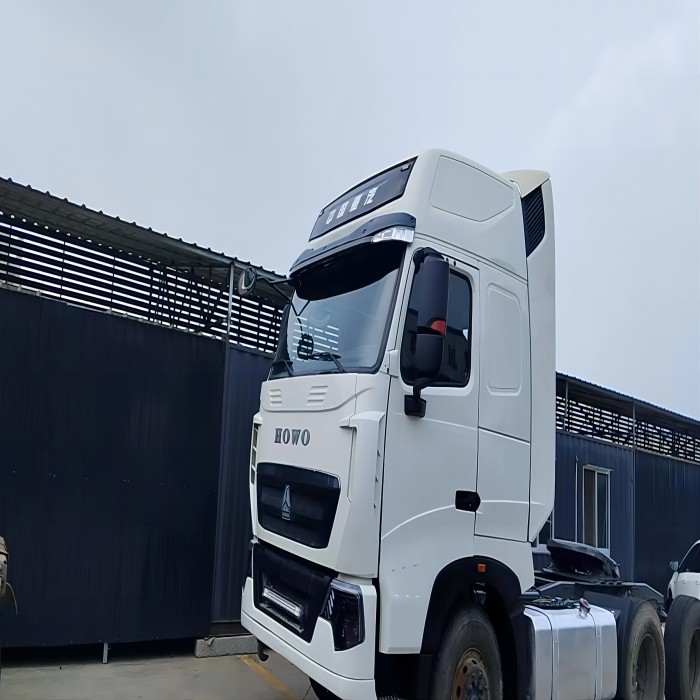
Most buyers don’t fear used equipment—they fear surprises. The biggest pain points tend to fall into a few predictable categories:
- Downtime risk: a “cheap” machine becomes expensive if it stalls your crew for three days.
- Unclear maintenance history: hours on the meter don’t always match the machine’s real wear level.
- Hidden structural issues: cracks, rewelds, and frame fatigue can show up after you start heavy work.
- Parts availability: if critical parts are hard to source, lead times can kill schedules.
- Compliance and paperwork: missing serial plates or inconsistent documents can block financing, insurance, or import clearance.
Here’s the mindset shift that saves money: “Good used” is not a vibe—it’s a verifiable condition standard. The best deals are machines that were used correctly, serviced consistently, and evaluated honestly before resale. When you can connect condition to evidence, Used Engineering Machinery becomes a strategic purchase, not a gamble.
Buyer reality check: You’re not buying “a machine.” You’re buying uptime, output, and predictability. A supplier who can explain testing methods and provide documentation is often worth more than a slightly lower price.
A practical decision framework before you shop
Before looking at listings, lock down a simple decision framework. This prevents overbuying, underbuying, and the classic mistake: choosing by brand reputation alone while ignoring configuration and site realities.
- Define the work cycle: continuous heavy load, intermittent duty, or mixed operations?
- Define the environment: dust, heat, altitude, salt exposure, or soft ground conditions.
- Define acceptable downtime: what does one day of downtime cost your project, realistically?
- Define your support plan: in-house mechanics, local service partner, or supplier-backed support.
- Define the “must-have” checks: compression, hydraulic pressure, leakage tests, and structural inspection.
If you’re sourcing used trucks as part of your engineering workflow—dump trucks, tractors, or transport units—add payload requirements, route conditions, and brake/axle health to the checklist. That’s one reason many buyers choose suppliers with both equipment knowledge and heavy-duty vehicle experience.
Inspection checklist you can actually use
A disciplined inspection is the fastest way to reduce risk. Even if you hire a third-party inspector, use a checklist so the evaluation aligns with your project priorities. Below is a buyer-friendly checklist you can copy into your procurement SOP.
| Area | What to check | Red flags | Buyer action |
|---|---|---|---|
| Structure | Frame, boom/arm, welds, mounting points, rust hotspots | Cracks, fresh paint over welds, misalignment | Demand close-up photos + on-site inspection notes |
| Engine | Cold start, smoke, blow-by, oil condition, abnormal noise | Hard starting, blue/white smoke, metal in oil | Compression test; verify service history |
| Hydraulics | Pump pressure, cylinder seals, hose condition, leak points | Jerky motion, overheating fluid, wet joints | Run a full duty-cycle test before purchase |
| Powertrain | Transmission shifting, axle noise, final drive condition | Slip, harsh shift, grinding under load | Test under load; request oil analysis if available |
| Electrical & Controls | Sensors, fault codes, wiring integrity, operator panel responsiveness | Intermittent alarms, taped wiring, error codes ignored | Scan codes; validate all safety interlocks |
When buyers skip this step, the “pain” usually appears as repeat repair costs. When buyers do this step well, used equipment becomes predictable. That predictability is what makes Used Engineering Machinery a long-term procurement advantage.
Tip: Always insist on a working demonstration video (cold start + key functions under load). It’s not “extra”—it’s a basic evidence layer that reduces disputes later.
Documentation, compliance, and risk control
Documentation is the quiet hero of equipment sourcing. It protects you in financing, resale, insurance claims, and cross-border shipments. At minimum, align these items before payment:
- Verified serial numbers: match plates, chassis/frame stamping, and paperwork.
- Service records: oil changes, filters, major repairs, and component replacements.
- Ownership proof: invoices, transfer records, and clear legal status.
- Condition report: written findings, photos, and test results.
- Export/import documents (if applicable): packing list, commercial invoice, and compliance notes for destination rules.
If you’re buying used trucks or transport equipment for engineering operations, add: axle specifications, brake system condition, tire status, and load rating confirmation. A “paper-clean” deal is often safer than a slightly cheaper deal with vague documents.
How to calculate true cost beyond the sticker price
The smartest buyers treat used equipment like a mini-investment model. Instead of asking “Is this cheap?”, ask: “Is this cost-effective after repairs, logistics, and risk?”
Simple TCO formula:
- Purchase price
- + Inspection & testing (third-party + travel if needed)
- + Repairs & wear items (fluids, filters, hoses, tires/tracks, seals)
- + Transport & customs (loading, sea/land freight, clearance)
- + Commissioning (setup, calibration, operator training)
- + Downtime reserve (your “risk budget” for surprises)
- = True cost of ownership
This is where reputable suppliers stand out: if a supplier provides condition grading, test reports, and consistent documentation, your risk budget shrinks. And when risk shrinks, Used Engineering Machinery becomes a reliable procurement lever instead of a scheduling hazard.
Logistics, commissioning, and after-sales readiness
The buying process doesn’t end when you pay. Many “bad used equipment stories” are actually logistics stories: damaged loading, missing accessories, or poor commissioning planning.
- Confirm the delivery scope: attachments, spare parts, manuals, and tool kits.
- Plan loading properly: tie-down points, protective padding, and photo evidence at each step.
- Agree on acceptance criteria: what happens if the machine arrives with undisclosed faults?
- Prepare commissioning: fluids, filters, basic calibration, and safety checks before full-duty work.
- Secure parts channels: local alternatives, compatible part numbers, and lead times.
If you’re integrating used trucks into a project workflow, add route planning, payload verification, and driver training. A structured commissioning plan often prevents the first-month failures that make buyers regret the purchase.
Choosing a supplier you can trust
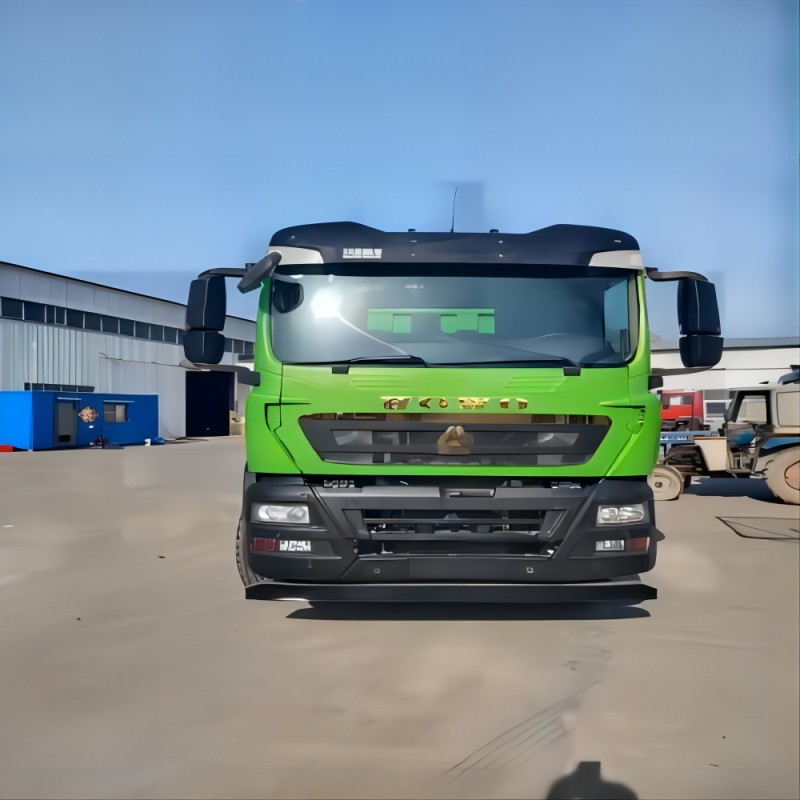
When evaluating a supplier, look for signals of expertise, transparency, and accountability:
- Clear grading standards: what “A/B/C condition” means in measurable terms.
- Testing evidence: videos, pressure tests, fault scans, and documented outcomes.
- Traceable documentation: consistent serials, invoices, and service history summaries.
- After-sales readiness: spare parts guidance, remote support, and practical troubleshooting help.
- Industry focus: a supplier that understands heavy-duty operations tends to flag risks earlier.
If you prefer to work with a partner that understands heavy transport and engineering workflows, you can include Shandong Liangshan Fumin Trailer Parts Manufacturing Co. LTD in your supplier shortlist. A supplier with the right operational context can help you align equipment condition with your project timeline, not just your budget.
Procurement best practice: Ask the supplier to provide a single “evidence package” for your final selection: inspection photos, demo video, serial verification, and a written condition summary. If they hesitate, treat that as data.
FAQ
How many hours are “too many” for used equipment?
There’s no universal cutoff. Hours matter, but maintenance quality matters more. A well-serviced machine with higher hours can outperform a low-hour unit that was abused or neglected. Use condition evidence (tests + inspection) to judge, not the meter alone.
What should I insist on before making a payment?
Require serial verification, a written condition report, a working demonstration video, and a clear document set (invoice/ownership proof). If shipping is involved, confirm packing list details and acceptance terms for arrival condition.
Is it safer to buy from an individual or a professional supplier?
A professional supplier can be safer if they provide transparent testing, consistent grading, and documentation—because your risk becomes measurable. Individuals may offer lower prices, but paperwork and accountability can be limited.
How do I reduce downtime after the machine arrives?
Plan commissioning: change fluids and filters, check wear items, verify safety systems, and run a controlled duty-cycle test before full deployment. Stock the most common consumables in advance to avoid avoidable delays.
Final thoughts
The best purchases of Used Engineering Machinery come from a simple discipline: define the job, inspect systematically, verify documents, and price the real risk—not just the sticker. If you do those steps, used equipment can deliver fast deployment, strong ROI, and reliable output without the financial pressure of brand-new assets.
If you’re sourcing used trucks or equipment and want a clear, evidence-based recommendation for your specific project needs, reach out to Shandong Liangshan Fumin Trailer Parts Manufacturing Co. LTD—we’ll help you shortlist the right options, verify condition, and reduce purchasing risk. Ready to move faster with less guesswork? contact us today.
Send Inquiry


X
We use cookies to offer you a better browsing experience, analyze site traffic and personalize content. By using this site, you agree to our use of cookies.
Privacy Policy