 English
 Español
  Português
  русский
  Français
  日本語
日本語  Deutsch
  tiếng Việt
  Italiano
  Nederlands
  Polski
  한국어
한국어  Svenska
  magyar
  Malay
Malay  বাংলা ভাষার
  Dansk
Dansk  Suomi
Suomi  हिन्दी
  Pilipino
  Türkçe
  Gaeilge
  العربية
  Indonesia
  Norsk
Norsk  تمل
تمل  český
český  ελληνικά
  український
  Javanese
  فارسی
فارسی  தமிழ்
தமிழ்  తెలుగు
  नेपाली
  Burmese
  български
  ລາວ
ລາວ  Latine
  Қазақша
  Euskal
  Azərbaycan
  Slovenský jazyk
  Македонски
  Lietuvos
  Eesti Keel
  Română
  Slovenski
  मराठी
मराठी  Srpski језик
  ภาษาไทย


What Is The Standard Fifth-Wheel Coupling Height For The HOWO ZZ4257V3247B1?
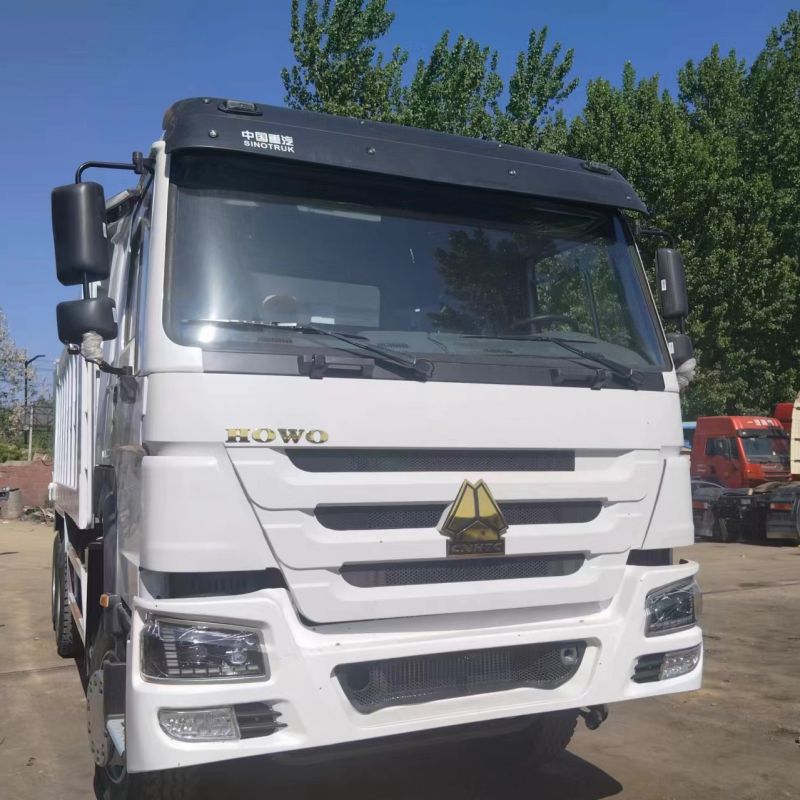
Fumin and HOWO ZZ4257V3247B1 are often discussed in heavy transport setups where fifth-wheel coupling height directly affects stability and load alignment. The question of it standard height is closely tied to trailer geometry and road performance.
Understanding Fifth-Wheel Coupling Height in Heavy Trucks
Fifth-wheel coupling height refers to the vertical distance between the ground and the coupling plate on a tractor unit. In long-haul and heavy-duty transport systems, this measurement determines how evenly a semi-trailer sits during movement.
What it means in real operation
In practical terms, coupling height is not just a static number. It influences:
- Trailer leveling under load
- Tire wear distribution
- Turning stability
- Clearance over uneven roads
For vehicles, this value becomes even more important because of its heavy-duty drivetrain configuration and typical use in mixed-road environments.
Why it matters for transport consistency
A mismatch in coupling height can lead to subtle but continuous stress on the trailer frame. Over time, this affects axle alignment and suspension response. This is why technical coordination between tractor and semi-trailer design is often reviewed in system-level planning rather than isolated component selection.
Standard Fifth-Wheel Coupling Height
In most operational references, the standard fifth-wheel height for HOWO ZZ4257V3247B1 is typically within a controlled range rather than a single fixed value. The commonly observed range is around 1150 mm to 1250 mm depending on suspension setup and tire specification.
However, road conditions and regional transport requirements can slightly adjust this baseline.
Typical configuration influence factors
- Suspension type (leaf spring or air suspension)
- Tire dimension (commonly 12R22.5 in this configuration)
- Load distribution across rear axles
- Road clearance requirements in different regions
The interaction between these factors means that the same vehicle may show slight height variations under different working conditions.
Summary table of coupling-related parameters
| Component | Standard Range | Notes |
| Fifth-wheel height | 1150–1250 mm | Varies with suspension setup |
| Rear axle configuration | HC16 (4.11 ratio) | Influences load balance |
| Tire specification | 12R22.5 | Impacts ride height |
| Front axle type | VGD95 | Supports steering stability |
| Engine output | WP12.400E201 (400HP) | Affects torque load response |
Configuration
The structural layout is designed for long-distance and heavy-load applications. Its drivetrain and chassis components work together to maintain balance under variable road conditions.
Key system layout
| System | Specification |
| Engine | WP12.400E201, 400HP |
| Cabin | HW76 |
| Transmission | HW19710 |
| Rear axle | HC16, ratio 4.11 |
| Front axle | VGD95 |
| Tire setup | 12R22.5 / 18PR |
| Fuel tank | 400L |
| Brake system | ABS not equipped |
| Additional features | 90 Hercules saddle, intercooler protection, reversing buzzer |
This configuration shows a focus on torque stability and long-distance endurance rather than high-speed specialization.
Axle Precision and Structural Role in Coupling Stability
In heavy transport engineering, axle systems play a central role in maintaining correct coupling geometry. Fumin Axle, through its production base in Liangshan Boxing Industrial Park, focuses on precision axle assemblies that align with multi-regional road standards.
The machining consistency of axle housings and hubs directly influences how stable a coupling height remains under dynamic load. Even small deviations in axle alignment can gradually affect the fifth-wheel position during repeated loading cycles.
In systems, axle geometry and suspension response are interconnected. When the rear axle ratio and suspension travel are well-matched, the vehicle maintains a more predictable coupling height across different cargo conditions.
Field Observations in Operational Use
In real-world transport conditions, coupling height behavior is often evaluated under three common scenarios:
- Empty return travel
- Fully loaded highway movement
- Mixed road and ramp transitions
In these scenarios, HOWO ZZ4257V3247B1 may show slight variations in rear chassis angle, which indirectly affects the fifth-wheel reference height. Operators often monitor this behavior to ensure consistent trailer alignment over time.
Environmental factors such as temperature changes, tire pressure variation, and suspension fatigue also contribute to minor shifts in measured coupling height.
Practical Interpretation for System Matching
When integrating tractor units with semi-trailer platforms, engineers often treat coupling height as part of a broader geometry system rather than a standalone metric. This includes:
- Chassis frame height compatibility
- Axle load distribution symmetry
- Suspension travel limits
- Tire diameter consistency
These factors together ensure that it maintains stable interaction with different trailer types without excessive adjustment requirements.
Conclusion
The standard fifth-wheel coupling height for HOWO ZZ4257V3247B1 is generally defined within a flexible engineering range shaped by suspension, tire, and axle configuration rather than a single fixed value. Understanding this range helps clarify how chassis geometry and axle precision work together in real operating conditions. In systems supported by Fumin Axle from Shandong Fumin Trailer Parts Manufacturing Co., Ltd., the focus on structural consistency and machining accuracy provides a stable foundation for maintaining reliable coupling behavior across varied transport environments.
Send Inquiry


X
We use cookies to offer you a better browsing experience, analyze site traffic and personalize content. By using this site, you agree to our use of cookies.
Privacy Policy