 English
 Español
  Português
  русский
  Français
  日本語
日本語  Deutsch
  tiếng Việt
  Italiano
  Nederlands
  Polski
  한국어
한국어  Svenska
  magyar
  Malay
Malay  বাংলা ভাষার
  Dansk
Dansk  Suomi
Suomi  हिन्दी
  Pilipino
  Türkçe
  Gaeilge
  العربية
  Indonesia
  Norsk
Norsk  تمل
تمل  český
český  ελληνικά
  український
  Javanese
  فارسی
فارسی  தமிழ்
தமிழ்  తెలుగు
  नेपाली
  Burmese
  български
  ລາວ
ລາວ  Latine
  Қазақша
  Euskal
  Azərbaycan
  Slovenský jazyk
  Македонски
  Lietuvos
  Eesti Keel
  Română
  Slovenski
  मराठी
मराठी  Srpski језик
  ภาษาไทย


What Makes Sand Casting Parts the Backbone of Modern Manufacturing?
Sand Casting Parts are fundamental components in the metal casting industry, representing one of the most traditional yet continuously evolving methods for producing metal components. This process involves creating a mold made from sand, into which molten metal is poured to form the desired shape. Once the metal solidifies, the sand mold is broken away, revealing a precise and durable component ready for machining or surface treatment.
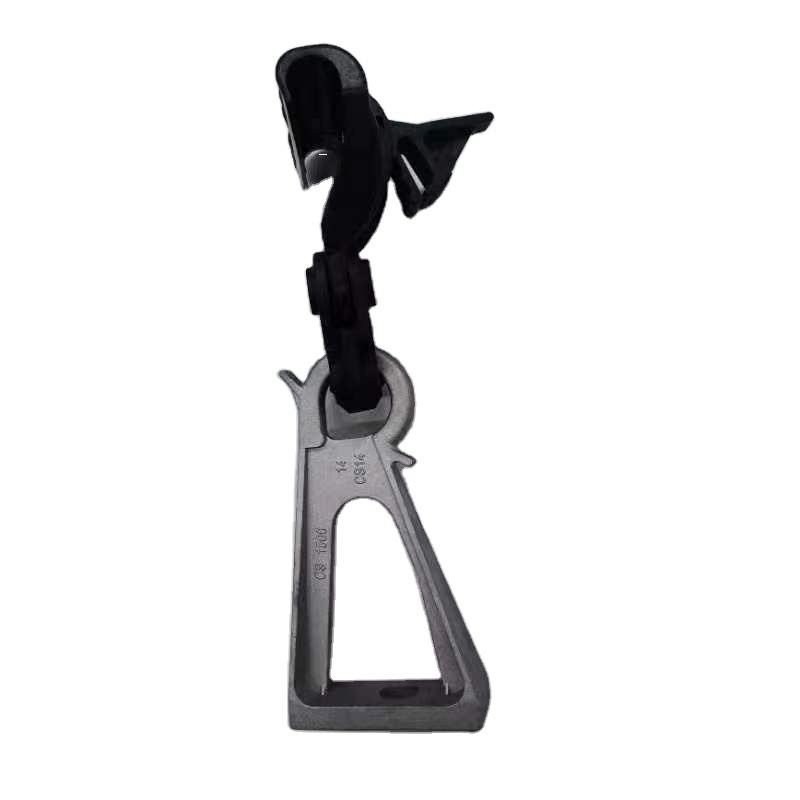
The versatility of Sand Casting Parts allows manufacturers to produce a wide range of metal products — from small intricate components to large industrial structures. Because of its cost efficiency, adaptability, and ability to handle complex geometries, sand casting remains widely used in automotive, aerospace, construction, energy, and machinery manufacturing sectors.
The core purpose of this article is to explore what Sand Casting Parts are, why they remain so vital in today’s industrial ecosystem, how they function technically, and what future developments are shaping this traditional yet innovative manufacturing process.
Why Are Sand Casting Parts So Advantageous in Modern Industry?
The advantages of Sand Casting Parts lie in their combination of technical flexibility, economic efficiency, and material versatility. The process can handle both ferrous and non-ferrous metals, including aluminum, iron, steel, bronze, and brass. Moreover, it can produce complex shapes without the high cost of specialized molds.
Key Advantages of Sand Casting Parts:
| Feature | Description |
|---|---|
| Material Compatibility | Works with a wide range of metals, including aluminum, iron, brass, and steel. |
| Design Flexibility | Capable of producing complex shapes and customized designs. |
| Cost Efficiency | Lower tooling cost compared to die casting or investment casting. |
| Scalability | Suitable for both small and large production runs. |
| Surface Treatment Options | Can be easily machined, painted, or polished for different applications. |
| Environmental Adaptability | Uses recyclable sand and minimal energy for mold preparation. |
These benefits make sand casting ideal for industries that require both customization and reliability. For example, the automotive industry relies on Sand Casting Parts for engine blocks, brake discs, and gearbox housings, while the energy sector uses them for turbine components and pump casings.
The combination of durability, accuracy, and affordability ensures that Sand Casting Parts remain indispensable in a world striving for both performance and sustainability.
How Do Sand Casting Parts Function and What Are Their Technical Features?
Understanding how Sand Casting Parts are made offers deeper insight into why this method continues to be so dominant in manufacturing. The process involves several controlled stages that ensure structural integrity and precision.
Main Steps in Sand Casting Production:
-
Pattern Creation: A pattern of the final part is made from wood, metal, or plastic to form the cavity shape.
-
Mold Preparation: The pattern is placed inside a sand-filled mold box, and the sand is compacted around it.
-
Mold Assembly: The pattern is removed, leaving a cavity for molten metal.
-
Metal Pouring: The molten metal is poured into the mold cavity through a gating system.
-
Cooling and Solidification: The metal cools and solidifies inside the mold.
-
Shakeout: The sand mold is broken away to release the casting.
-
Finishing: The casting is cleaned, machined, and finished as required.
Technical Parameters of Sand Casting Parts:
| Parameter | Typical Range |
|---|---|
| Material Options | Aluminum, Iron, Brass, Bronze, Steel |
| Casting Weight Range | 0.5 kg – 5000 kg |
| Dimensional Accuracy | ±0.5% – ±1% depending on size |
| Surface Roughness | Ra 6.3 – 25 μm |
| Production Volume | Small to medium batches |
| Tolerance Level | ISO 8062-CT9 to CT12 |
| Mold Type | Green sand, resin sand, or dry sand mold |
Each casting is engineered to meet specific industrial standards, ensuring mechanical strength, corrosion resistance, and thermal stability.
Applications Across Industries:
-
Automotive: Engine blocks, brake rotors, gear housings.
-
Aerospace: Turbine components, structural brackets.
-
Construction: Valve bodies, pump housings, pipe fittings.
-
Energy: Generator casings, compressor parts, heat exchangers.
-
Machinery: Bearing housings, pulleys, machine tool bases.
The ability to tailor each component to exact industrial specifications highlights the technical excellence of Sand Casting Parts and explains their wide application across diverse sectors.
What Are the Future Trends and Innovations in Sand Casting Technology?
The future of Sand Casting Parts is defined by automation, digital integration, and environmental optimization. With Industry 4.0 principles now transforming the casting sector, advanced simulation software and robotic handling systems are being integrated into the traditional sand casting process.
Emerging Trends:
-
3D Printed Sand Molds: Rapid mold-making technology reduces production lead times and improves dimensional precision.
-
Smart Manufacturing: Real-time process monitoring ensures consistent quality control through data analytics and automation.
-
Eco-Friendly Materials: Reusable and bio-based binders for sand molds reduce waste and environmental footprint.
-
Alloy Innovation: New alloy compositions enhance strength-to-weight ratios, corrosion resistance, and thermal performance.
-
Energy Efficiency: Modern melting and pouring systems minimize energy consumption and carbon emissions.
As sustainability becomes a defining factor in industrial operations, sand casting is being reinvented to align with global green manufacturing goals. The transition from traditional manual casting to smart, automated foundries ensures that Sand Casting Parts will remain a cornerstone of industrial production for decades to come.
Frequently Asked Questions (FAQs)
Q1: What types of metals can be used for Sand Casting Parts?
A1: Sand Casting Parts can be produced from a wide range of metals including aluminum, gray iron, ductile iron, brass, bronze, and various grades of steel. The choice of material depends on the mechanical strength, corrosion resistance, and thermal properties required for the intended application. For instance, aluminum is preferred for lightweight automotive components, while iron and steel are used in heavy machinery and construction equipment.
Q2: How does sand casting compare to other casting methods like die casting or investment casting?
A2: Sand casting is more cost-effective for low- to medium-volume production runs and large parts, as it requires lower tooling investment compared to die casting. Although it offers slightly lower dimensional accuracy than investment casting, its flexibility in material selection, scalability, and mold reusability make it ideal for diverse industrial needs. Die casting, in contrast, is better suited for high-volume production of small, precise components, while investment casting provides superior surface finishes at a higher cost.
Why Choose Fumin for High-Quality Sand Casting Parts?
Sand Casting Parts continue to prove their indispensable role in global manufacturing due to their adaptability, durability, and cost efficiency. As industries evolve toward smarter and greener production systems, the sand casting process remains an essential technology bridging traditional craftsmanship with modern innovation.
Fumin has established itself as a trusted name in precision casting solutions, offering customized Sand Casting Parts that meet international standards for mechanical strength, dimensional accuracy, and long-term performance. With advanced foundry equipment, a skilled technical team, and strict quality control measures, Fumin ensures that every casting delivers consistent reliability and superior value to industrial clients worldwide.
For inquiries, specifications, or customized casting solutions, contact us today to learn how Fumin can support your next project with premium Sand Casting Parts that combine tradition, technology, and trust.
Send Inquiry


X
We use cookies to offer you a better browsing experience, analyze site traffic and personalize content. By using this site, you agree to our use of cookies.
Privacy Policy