 English
 Español
  Português
  русский
  Français
  日本語
日本語  Deutsch
  tiếng Việt
  Italiano
  Nederlands
  Polski
  한국어
한국어  Svenska
  magyar
  Malay
Malay  বাংলা ভাষার
  Dansk
Dansk  Suomi
Suomi  हिन्दी
  Pilipino
  Türkçe
  Gaeilge
  العربية
  Indonesia
  Norsk
Norsk  تمل
تمل  český
český  ελληνικά
  український
  Javanese
  فارسی
فارسی  தமிழ்
தமிழ்  తెలుగు
  नेपाली
  Burmese
  български
  ລາວ
ລາວ  Latine
  Қазақша
  Euskal
  Azərbaycan
  Slovenský jazyk
  Македонски
  Lietuvos
  Eesti Keel
  Română
  Slovenski
  मराठी
मराठी  Srpski језик
  ภาษาไทย


How Do High-Performance Dump Trailers Enhance Productivity and Shape Future Hauling Trends?
Dump trailers are engineered to streamline heavy-duty hauling tasks across construction, landscaping, agriculture, and industrial sectors. Their hydraulic lifting mechanisms, reinforced steel frames, and versatile loading capacities allow operators to transport bulk materials—such as gravel, debris, soil, equipment, and waste—more efficiently and safely than conventional trailers.
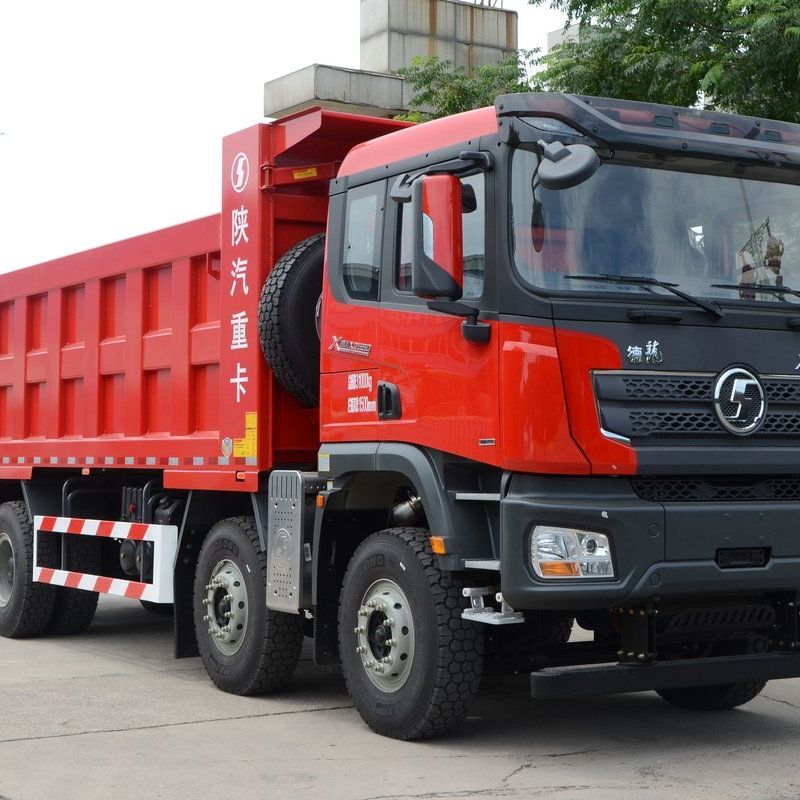
Below is an example specification table that reflects the professional parameters commonly seen in high-grade dump trailers designed for demanding applications:
| Specification Category | Typical Performance Range | Technical Notes |
|---|---|---|
| Load Capacity | 5,000–20,000 lbs | Depends on axle rating and chassis strength |
| Trailer Size | 5’×8’ to 7’×20’ | Larger beds support commercial hauling |
| Hydraulic System | Single-Ram or Scissor Lift | Scissor lifts offer greater stability under uneven loads |
| Frame Material | High-tensile steel | Increases impact resistance and durability |
| Axle Type | Tandem 3,500–7,000 lbs axles | Ensures smooth load distribution |
| Floor Thickness | 10–12 gauge steel | Supports abrasive materials and heavy dumping |
| Side Wall Height | 18–48 inches | Higher walls increase volumetric capacity |
| Brake System | Electric brakes with breakaway kit | Enhances safety under heavy loads |
| Tire Rating | Radial, Load Range D–G | Built for stability and long-distance hauling |
| Optional Add-Ons | Tarps, ramps, wireless remote | Improves versatility and operational convenience |
How Do Dump Trailers Deliver Performance Advantages in Commercial Hauling?
Dump trailers provide measurable productivity improvements by reducing labor time, increasing material handling efficiency, and enabling safer dumping processes. The combination of hydraulic lifting power and engineered structural support allows operators to move bulk material faster and with improved control. Their advantages extend across industries:
Construction and Renovation
Dump trailers simplify the movement of concrete rubble, framing waste, roofing shingles, and aggregates. A reinforced hydraulic system reduces manual labor and accelerates project timelines.
Agriculture and Farming
Heavy soils, feed, manure, and harvested crop materials can be loaded and unloaded with minimal operator strain. Higher-capacity models support seasonal workloads where speed is essential.
Landscaping and Land Management
Mulch, gravel, sod, trees, and debris are transported more reliably, while integrated loading ramps allow small machinery—like mini-skid steers or mowers—to be carried safely.
Industrial and Waste Management
Scrap metal, industrial waste, and equipment components can be contained efficiently using higher wall configurations and durable steel flooring.
Key Advantages at a Glance
-
Fast unloading through hydraulic lift systems
-
Lower operating cost than full-sized dump trucks
-
Flexible materials handling for loose, wet, or bulky loads
-
Enhanced safety via controlled lift and brake systems
-
Transportation versatility, including machines and equipment
-
Durable structural design suitable for long-term use
How Do Core Features and Advanced Engineering Improve Dump Trailer Functionality?
Modern dump trailers continue to evolve with new engineering enhancements that increase reliability, power efficiency, and operational control. Each structural element contributes to overall performance.
Hydraulics: The Power Behind Every Lift
A dependable hydraulic system determines how effectively a trailer can lift and dump material.
-
Scissor-lift systems deliver greater balance and lifting force for uneven loads.
-
Single-ram systems offer economical power for lighter applications.
-
Wireless remote controls allow operators to manage dumping at a safe distance.
Frame Construction for Maximum Durability
The frame must withstand years of impact, vibration, and corrosive materials.
High-tensile steel frames with reinforced cross-members provide resistance to bending and torsional stress.
Axles and Suspension
High-quality tandem axles distribute weight more evenly, improving load stability and road performance.
Suspension systems enhance towing comfort and reduce structural fatigue.
Electrical and Safety Systems
Advanced models include:
-
Electric brakes for controlled stopping
-
LED lighting for increased visibility
-
Breakaway kits for emergency stability
-
Sealed wiring harnesses for moisture resistance
Customizable Options
Operators can tailor the trailer to fit specific job requirements:
-
Ramps for equipment loading
-
Tarp systems to prevent debris scatter
-
Side extensions to increase volume
-
Adjustable couplers for towing flexibility
These enhancements allow dump trailers to function as multi-purpose hauling solutions adaptable to diverse workflow needs.
How Are Future Trends and Emerging Technologies Shaping the Dump Trailer Industry?
As hauling requirements change, dump trailers are shifting toward greater durability, automation, and eco-efficiency. Several trends are influencing future product design and market expectations.
Increased Integration of Smart Controls
Digital operation is becoming more common, including:
-
Wireless hydraulic systems
-
Onboard diagnostics
-
Battery monitoring sensors
-
Smart brake controllers
These technologies enhance safety, reduce human error, and optimize trailer management.
Adoption of Eco-Friendly Power Systems
Battery-powered hydraulic units and enhanced charging systems reduce fuel consumption and carbon emissions. Solar-assisted charging is gaining traction for off-grid reliability.
Structural Innovations and Lightweight Engineering
Advanced steel alloys and optimized frame geometry reduce overall trailer weight while maintaining strength. This leads to higher payload capacity and improved towing efficiency.
Safety Enhancements
Expect to see:
-
Reinforced lift mechanisms
-
Enhanced stability sensors
-
Upgraded automatic locking systems
These upgrades are designed to meet increasingly stringent safety regulations.
Market Trend: Multi-Function Utility
Users demand trailers that can handle multiple assignments.
Hybrid dump-utility designs offer dumping capability plus machine transport, expanding job site value.
How Can Businesses Choose the Right Dump Trailer for Maximum Efficiency?
Selecting the right dump trailer requires assessing operational needs, frequency of use, load type, and towing requirements.
Determine Load Requirements
Identify both the weight and the volume of materials.
Heavy aggregates require high axle ratings, while bulky organic materials benefit from taller side walls.
Consider Hydraulic System Strength
Frequent, heavy-load users benefit from scissor-lift hydraulics.
Occasional or lighter-duty work may be suited to single-ram systems.
Evaluate Frame Strength and Material
Look for reinforced steel, rust-resistant coatings, and welding quality.
Structural rigidity ensures long-term stability and reduces maintenance costs.
Choose Appropriate Axle Configuration
Tandem axles improve stability, braking efficiency, and hauling capacity.
Inspect Electrical and Safety Features
Reliable wiring, strong lighting, and responsive braking systems enhance road and jobsite safety.
Assess Customization Needs
Operators who transport machinery should opt for trailers with integrated ramps and tie-downs.
Heavy debris movers may prefer higher walls or tarp systems.
Frequently Asked Questions (FAQ)
Q1: What size dump trailer is best for construction work?
A construction-grade dump trailer typically ranges from 6'×12' to 7'×16' with a load capacity of 10,000–14,000 lbs. These dimensions balance maneuverability and load space, allowing the trailer to handle debris, gravel, and equipment efficiently on compact job sites. The ideal size depends on the scale of the project, the tow vehicle, and frequency of use.
Q2: How often should dump trailer hydraulics be maintained?
Hydraulic systems require inspection every 3–6 months, depending on usage intensity. Key tasks include checking hydraulic fluid levels, examining hoses for leaks, ensuring cylinder integrity, and confirming smooth lifting performance. Consistent maintenance prevents system failure, improves operational safety, and extends the overall lifespan of the trailer.
How Do High-Quality Dump Trailers Support Long-Term Business Growth?
Dump trailers offer essential advantages in modern material handling, enabling faster workflows, improved jobsite safety, and versatile load management. As industries continue to adopt smart technology, eco-efficient systems, and multi-function hauling equipment, dump trailers are evolving into more productive and durable tools that meet the growing demands of construction, agriculture, landscaping, and industrial sectors.
Brands that emphasize structural integrity, advanced hydraulic systems, and comprehensive customization—such as Fumin—support users with long-term reliability and performance-driven engineering. For businesses seeking durable, high-capacity trailers built to excel under demanding conditions, reaching out for professional guidance can help identify the optimal model and configuration.
For detailed specifications, customization options, or pricing inquiries, contact us to learn more about how Fumin can support your hauling needs.
Send Inquiry


X
We use cookies to offer you a better browsing experience, analyze site traffic and personalize content. By using this site, you agree to our use of cookies.
Privacy Policy