 English
 Español
  Português
  русский
  Français
  日本語
日本語  Deutsch
  tiếng Việt
  Italiano
  Nederlands
  Polski
  한국어
한국어  Svenska
  magyar
  Malay
Malay  বাংলা ভাষার
  Dansk
Dansk  Suomi
Suomi  हिन्दी
  Pilipino
  Türkçe
  Gaeilge
  العربية
  Indonesia
  Norsk
Norsk  تمل
تمل  český
český  ελληνικά
  український
  Javanese
  فارسی
فارسی  தமிழ்
தமிழ்  తెలుగు
  नेपाली
  Burmese
  български
  ລາວ
ລາວ  Latine
  Қазақша
  Euskal
  Azərbaycan
  Slovenský jazyk
  Македонски
  Lietuvos
  Eesti Keel
  Română
  Slovenski
  मराठी
मराठी  Srpski језик
  ภาษาไทย


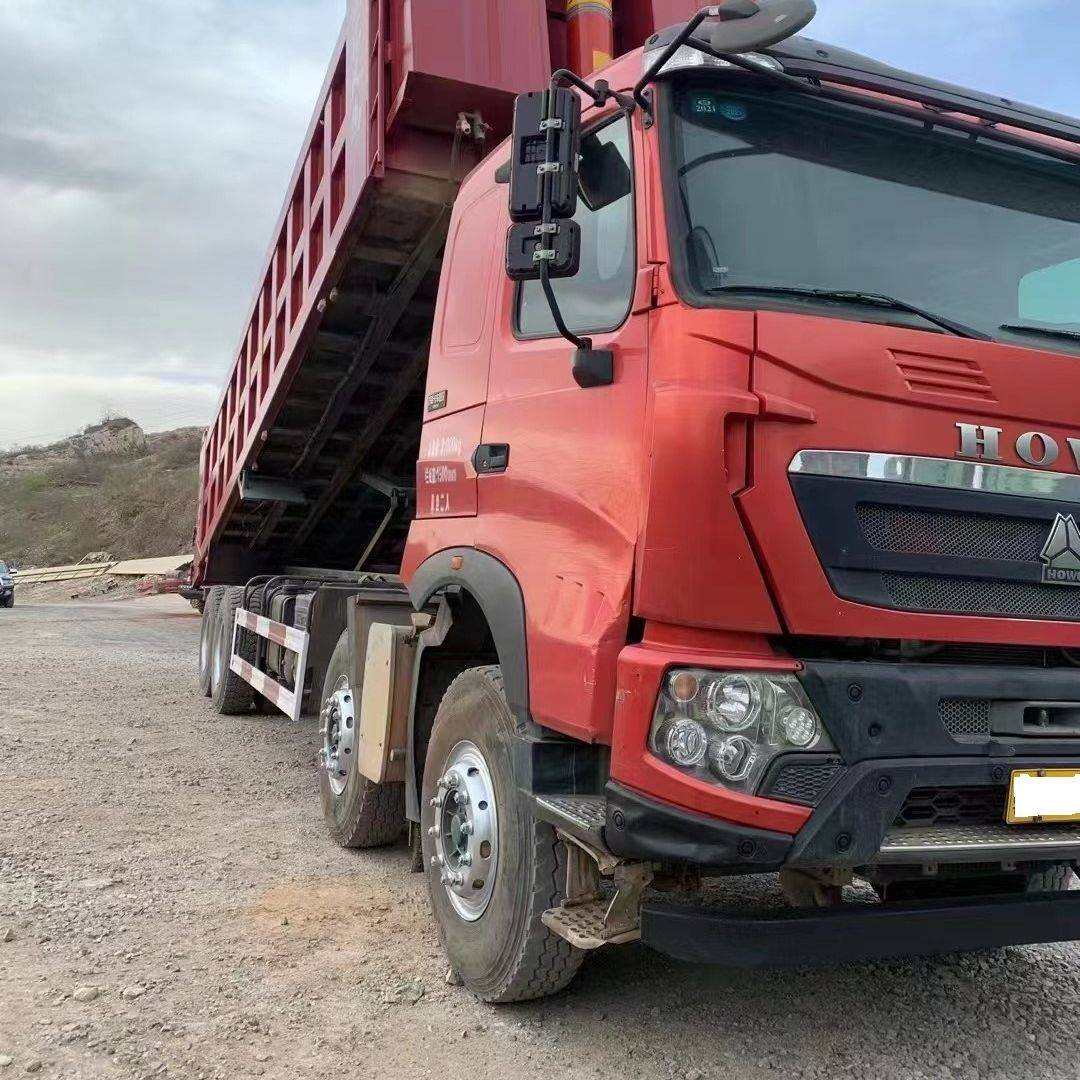
How Does a Used HOWO Truck Meet the Demands of Heavy-Duty Transportation Markets?
A Used HOWO Truck is widely recognized in global heavy-duty transportation markets for its balance of load capacity, mechanical reliability, and cost efficiency. Originally developed to serve demanding logistics, construction, and mining applications, HOWO trucks have established a strong reputation across Asia, Africa, the Middle East, and South America. In secondary markets, used units continue to attract fleet operators and independent contractors seeking dependable performance without the capital burden of new equipment.
How Do the Core Technical Parameters of a Used HOWO Truck Support Heavy-Duty Operations?
The performance of a Used HOWO Truck is fundamentally determined by its engineering specifications. These parameters directly influence load handling, fuel efficiency, durability, and adaptability to varying road and climate conditions.
Key Technical Parameters
| Parameter Category | Typical Specification Range |
|---|---|
| Engine Type | SINOTRUK WD615 / MC Series Diesel |
| Engine Power | 336 HP – 420 HP |
| Emission Standard | Euro II / Euro III / Euro V (market-dependent) |
| Transmission | HW19710 / HW19712 Manual Gearbox |
| Drive Configuration | 6×4 / 8×4 |
| Gross Vehicle Weight | 25–40 Tons |
| Fuel Tank Capacity | 300–400 Liters |
| Front Axle Load | 7–9 Tons |
| Rear Axle Load | 16–26 Tons |
| Braking System | Dual-circuit air brake with engine brake |
| Cab Type | HW76 / HW77 with sleeper |
| Tire Size | 12.00R20 / 12R22.5 |
These specifications illustrate why Used HOWO Trucks remain competitive in secondary markets. High-displacement diesel engines provide strong torque output, enabling consistent performance under full load. Manual transmissions are engineered for durability and simplified maintenance, particularly in regions where automated systems may increase service complexity.
Chassis reinforcement and axle load distribution are optimized for long-haul freight, bulk material transport, and construction site operations. Even after extended service life, these structural elements maintain functional reliability when properly inspected and refurbished.
How Does a Used HOWO Truck Adapt to Different Industry Applications?
A key factor in sustained market demand is the versatility of the Used HOWO Truck across multiple industries. Its modular design allows adaptation to various body configurations and operational roles.
Logistics and Long-Haul Transportation
In logistics operations, Used HOWO Tractor Trucks are commonly paired with container chassis or box trailers. Stable cruising performance, predictable fuel consumption, and driver-oriented cab layouts contribute to consistent route efficiency. Sleeper cab configurations further support long-distance operations by improving driver rest conditions.
Construction and Infrastructure Projects
Dump truck and mixer variants are frequently deployed in construction environments. Reinforced frames, high-torque engines, and reliable braking systems enable safe operation on uneven terrain and temporary roads. The mechanical simplicity of these trucks reduces downtime in remote job sites.
Mining and Resource Transport
In mining and quarry applications, Used HOWO Trucks are valued for their load-bearing capability and resistance to mechanical fatigue. The drivetrain design supports frequent start-stop cycles and heavy gradients, while spare parts availability simplifies long-term fleet management.
Regional Adaptability
Used HOWO Trucks are often configured to meet local road regulations and fuel quality standards. This adaptability enhances their suitability for emerging markets, where infrastructure conditions and regulatory frameworks may differ significantly from developed regions.
How Does the Lifecycle Value of a Used HOWO Truck Compare in the Global Market?
Lifecycle value is a decisive factor for buyers evaluating used heavy-duty trucks. A Used HOWO Truck offers a distinctive balance between acquisition cost, operational longevity, and residual value.
Acquisition and Ownership Economics
Compared with new heavy-duty trucks, used units significantly reduce upfront investment. This allows fleet operators to scale capacity without excessive capital expenditure. The standardized design of HOWO platforms further reduces customization costs.
Maintenance and Parts Accessibility
One of the strongest contributors to lifecycle value is the global availability of spare parts. Engines, transmissions, axles, and consumable components are widely stocked, enabling rapid maintenance cycles. This minimizes operational disruption and extends usable service life.
Refurbishment Potential
Used HOWO Trucks are often refurbished prior to resale, including engine overhauls, transmission inspection, brake system replacement, and cab reconditioning. These processes restore functional performance while maintaining cost advantages.
Resale and Secondary Value
Due to strong brand recognition and consistent mechanical standards, Used HOWO Trucks retain resale value in many regions. This liquidity supports asset rotation strategies for fleet owners and reduces long-term depreciation risk.
How Will Used HOWO Trucks Remain Relevant in Future Transportation Markets?
As transportation markets evolve, used heavy-duty trucks must align with changing operational and regulatory expectations. The future relevance of the Used HOWO Truck is shaped by several structural factors.
Emission Compliance and Market Segmentation
While newer markets increasingly adopt higher emission standards, many regions continue to operate under Euro II or Euro III regulations. Used HOWO Trucks compliant with these standards remain legally and economically viable in such markets.
Digital Integration Potential
Although older models are mechanically oriented, fleet operators increasingly integrate telematics, GPS tracking, and fuel monitoring systems as aftermarket solutions. This enhances operational oversight without altering core vehicle architecture.
Infrastructure Development Trends
Expanding infrastructure projects in developing economies sustain demand for durable, heavy-load trucks. Used HOWO Trucks align with these projects due to their load capacity and tolerance for challenging road conditions.
Sustainability Through Reuse
Extending the service life of existing trucks supports resource efficiency by reducing manufacturing demand. From a macroeconomic perspective, the used truck market contributes to sustainable asset utilization in global logistics networks.
Common Questions About Used HOWO Trucks
How should a Used HOWO Truck be inspected before purchase?
A comprehensive inspection should include engine compression testing, transmission shift performance, axle noise evaluation, brake system integrity, chassis alignment, and cab structural condition. Service records and refurbishment documentation further support informed decision-making.
How long can a Used HOWO Truck typically remain in operation?
With proper maintenance, many Used HOWO Trucks continue operating beyond 800,000 kilometers. Regular servicing, timely replacement of wear components, and adherence to load limits are critical factors influencing operational lifespan.
Brand Perspective and Contact Guidance
In the global used truck supply chain, selecting a reliable sourcing partner is as important as vehicle specification. Fumin focuses on delivering professionally inspected and application-matched Used HOWO Trucks to international buyers, emphasizing transparency, technical accuracy, and market suitability.
For detailed specifications, availability updates, or professional consultation on selecting the appropriate Used HOWO Truck for specific operational requirements, interested parties are encouraged to contact us directly. Our team supports informed purchasing decisions through structured product information and responsive communication.
Send Inquiry


X
We use cookies to offer you a better browsing experience, analyze site traffic and personalize content. By using this site, you agree to our use of cookies.
Privacy Policy