 English
 Español
  Português
  русский
  Français
  日本語
日本語  Deutsch
  tiếng Việt
  Italiano
  Nederlands
  Polski
  한국어
한국어  Svenska
  magyar
  Malay
Malay  বাংলা ভাষার
  Dansk
Dansk  Suomi
Suomi  हिन्दी
  Pilipino
  Türkçe
  Gaeilge
  العربية
  Indonesia
  Norsk
Norsk  تمل
تمل  český
český  ελληνικά
  український
  Javanese
  فارسی
فارسی  தமிழ்
தமிழ்  తెలుగు
  नेपाली
  Burmese
  български
  ລາວ
ລາວ  Latine
  Қазақша
  Euskal
  Azərbaycan
  Slovenský jazyk
  Македонски
  Lietuvos
  Eesti Keel
  Română
  Slovenski
  मराठी
मराठी  Srpski језик
  ภาษาไทย


How to Buy Used Spare Parts Without Risk?
Abstract
Buying Used Spare Parts can feel like a shortcut—or a trap. The price is attractive, the lead time can be fast, and it’s often the only way to keep older equipment running. But the pain points are real: uncertain condition, hidden wear, compatibility mistakes, weak documentation, and suppliers who can’t support returns. This article gives you a clear, repeatable approach to sourcing used components responsibly: how to define what you actually need, how to screen suppliers, what proof to request, how to inspect and test, and how to build a purchase process that protects your budget and your uptime.
Lower total cost Faster repairs Compatibility checks Inspection & testing Returns & traceability
Table of Contents
- What Problems Do Buyers Face With Used Parts?
- When Are Used Spare Parts the Smart Choice?
- A Step-by-Step Buying Process That Reduces Surprises
- Supplier Screening Checklist
- What Evidence to Request Before Paying
- Used vs New Parts Comparison
- Shipping, Storage, and Installation Tips
- Working With a Specialized Trailer Parts Manufacturer
- FAQ
- Next Steps
Outline
- Identify the real pain points behind “cheap but risky” purchases.
- Choose the right scenarios where used parts make sense.
- Use a repeatable buying workflow: specs → supplier → proof → inspection → after-sales.
- Compare used vs new in cost, lead time, documentation, and reliability.
- Reduce failures after delivery through handling, storage, and installation controls.
What Problems Do Buyers Face With Used Parts?
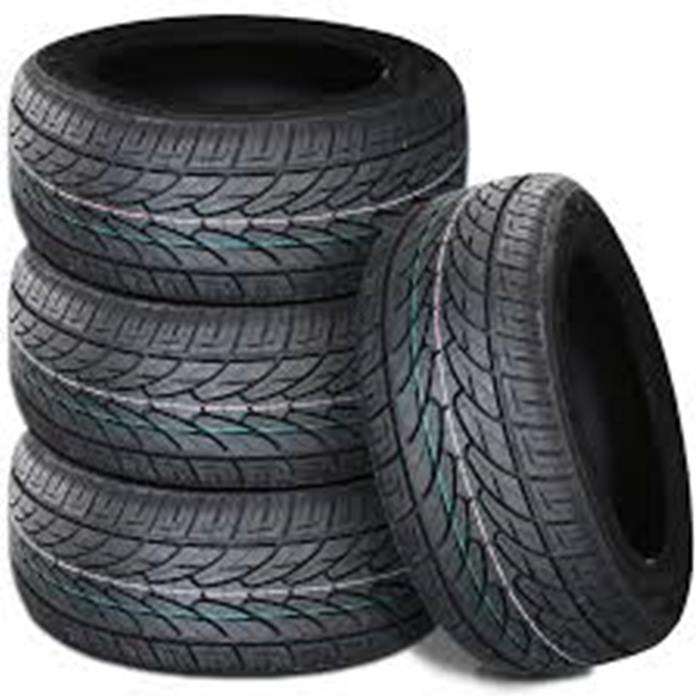
Most buyers don’t dislike Used Spare Parts; they dislike uncertainty. A used component that’s correctly identified, properly inspected, and honestly graded can be a great purchase. The headaches happen when basic information is missing or when the supplier can’t back up what they’re selling.
Common buyer pain points
- Unknown wear level: The part “looks fine” but fails early because fatigue, scoring, or heat damage isn’t obvious in photos.
- Compatibility mistakes: A small difference in model year, mounting points, or revision numbers can turn a “good deal” into scrap.
- Missing documentation: No part number confirmation, no measurement sheet, no test record, no clear origin.
- Counterfeit or mixed inventory: Legit parts mixed with questionable sources in the same lot.
- Weak after-sales support: No return window, unclear warranty terms, slow response when there’s an issue.
- Hidden total cost: Freight, rework, testing, and downtime can erase the price advantage.
Reality check: The biggest risk is rarely “used.” It’s “unverified.” Your goal is to turn a used purchase into a verified purchase.
When Are Used Spare Parts the Smart Choice?
There are situations where buying new is the cleanest decision. But there are also situations where Used Spare Parts can be the most rational choice—especially for fleets and service teams balancing uptime and budget.
Used parts tend to work best when
- The part is non-safety-critical or you can validate it with testing before service.
- New supply is slow and downtime costs more than the risk premium of inspection and verification.
- The equipment is older and new replacements are discontinued or prohibitively expensive.
- You need a “bridge part” to keep operations running while planning a long-term upgrade.
New parts may be the better call when
- Failure could cause injury or major liability.
- Precision tolerance is critical and you can’t test or measure properly.
- Warranty and traceability are mandatory for your customer contracts.
A Step-by-Step Buying Process That Reduces Surprises
If you want consistent results, don’t “shop.” Run a process. Here’s a workflow you can reuse for every purchase of Used Spare Parts.
Step 1: Write a one-page spec (yes, even for used)
- Part name + function
- Part number(s) and revision number if applicable
- Compatible models / years
- Key dimensions (critical measurements)
- Required condition grade (A/B/C) and acceptable defects
- Testing requirement (visual + measurement + functional test)
Step 2: Ask suppliers questions that reveal their discipline
- How do you identify and label parts to prevent mix-ups?
- Can you provide photos from multiple angles plus close-ups of wear points?
- Do you have a grading standard (and can you share it)?
- What’s your return policy for misfit or mismatch?
Step 3: Validate before you pay in full
- Confirm part numbers against your equipment manual or OEM diagram.
- Request a measurement sheet for critical interfaces.
- Use video call inspection for high-value items.
- Agree on packaging standards to prevent shipping damage.
Step 4: Inspect on arrival like it’s a controlled intake
- Photograph the package before opening.
- Check labels, part numbers, and critical dimensions first.
- Look for cracking, deformation, corrosion, thread damage, and heat marks.
- Quarantine questionable items until confirmed.
Step 5: Record what worked (and what didn’t)
- Create an internal “approved used parts list” by supplier and part family.
- Track failure rates and warranty outcomes.
- Feed this back into your next purchase criteria.
Supplier Screening Checklist
If you want fewer nasty surprises, pick suppliers who can prove consistency. Use this checklist to score them quickly.
- Traceability: Can they show the source channel (fleet take-off, refurbishment, surplus) and label inventory clearly?
- Condition grading: Do they classify condition with clear criteria (not vibes)?
- Inspection capability: Do they measure, clean, and document wear points?
- Packaging discipline: Foam, anti-rust protection, sealed cartons, and shock prevention for heavy items.
- Clear after-sales terms: Return window, mismatch policy, and what counts as “defect.”
- Responsiveness: Fast replies with real answers—not generic copy.
Pro tip: A serious supplier won’t be offended by verification. They’ll welcome it—because it filters out chaos customers and reduces disputes.
What Evidence to Request Before Paying
Don’t ask for “more photos.” Ask for specific proof that answers your failure scenarios. For Used Spare Parts, evidence beats promises every time.
- Multi-angle photos: Full part, label/markings, connectors, mounting surfaces, and known wear zones.
- Measurement sheet: Critical distances, bolt patterns, thread specs, and interface surfaces.
- Condition notes: Any corrosion, repaired areas, missing accessories, or cosmetic damage.
- Functional check: Where applicable: movement test, leak test, electrical continuity, or bench test summary.
- Packaging confirmation: What exactly will protect the part in transit?
Used vs New Parts Comparison
Here’s a practical comparison to help you decide quickly, especially when a breakdown is eating your schedule.
| Decision Factor | Used Spare Parts | New Parts |
|---|---|---|
| Upfront cost | Usually lower, sometimes dramatically | Higher, predictable |
| Lead time | Can be faster if in stock; varies by supplier | Often stable, but can be long for discontinued items |
| Condition certainty | Depends on inspection and documentation | High |
| Documentation | Ranges from excellent to nonexistent | Typically complete |
| Risk profile | Managed through verification, returns, and testing | Lower, especially for critical systems |
| Best use case | Budget control, urgent repairs, legacy equipment support | Safety-critical, warranty-driven, precision-critical |
Shipping, Storage, and Installation Tips
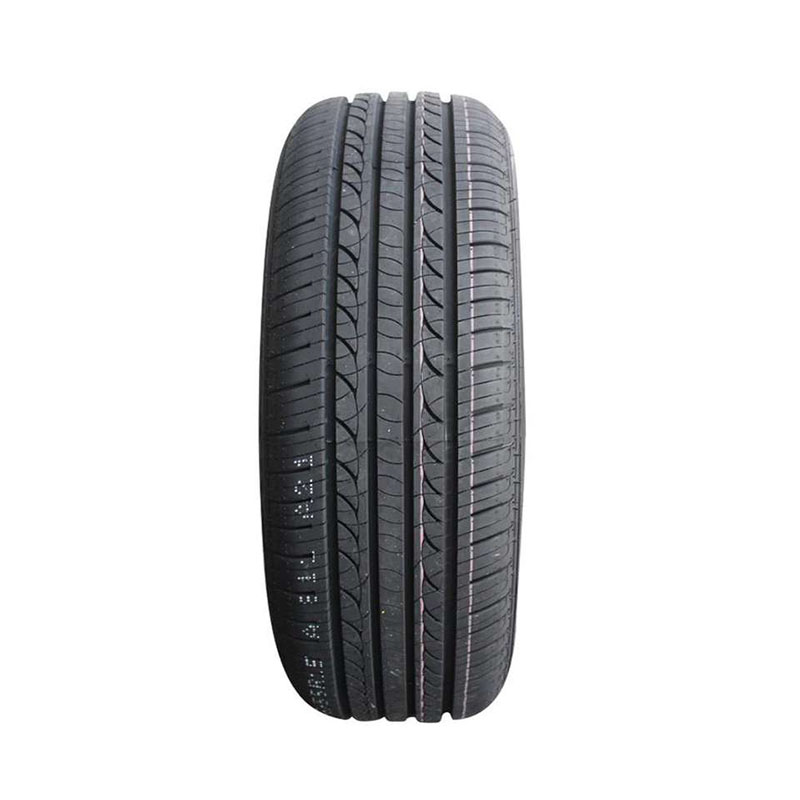
Many “bad parts” fail because of bad handling. Even verified Used Spare Parts can be ruined by moisture, impact, or contamination after purchase.
Shipping and receiving controls
- Seal + label: Ensure labels match your PO and spec sheet.
- Rust prevention: Use anti-rust oil, VCI bags, or sealed packaging for metal parts.
- Shock protection: Especially for assemblies with tight interfaces or bearings.
- Receiving inspection: Measure first, clean second, install last.
Installation controls
- Follow torque specs and alignment procedures.
- Replace consumables (seals, gaskets, fasteners) even if the main part is used.
- Run a short validation test before returning equipment to full duty.
Working With a Specialized Trailer Parts Manufacturer
If you buy trailer components regularly, you’ll usually get better outcomes by partnering with a supplier who understands fitment, documentation, and real-world service conditions—not just trading inventory.
For example, Shandong Liangshan Fumin Trailer Parts Manufacturing Co. LTD supports buyers looking for used trailer spare parts by focusing on practical details that reduce disputes: clear identification, fitment communication, and consistent handling standards. When your supplier treats used inventory like a managed system (instead of a random warehouse corner), you get what you really want—predictable repairs.
What to ask a trailer parts supplier specifically
- Which trailer models and specifications do you match most frequently?
- Can you confirm compatibility using part numbers and measurements?
- How do you grade condition for high-wear parts?
- What is your mismatch/return process if a part doesn’t fit?
FAQ
-
Q: Are Used Spare Parts always less reliable than new?
A: Not always. Reliability depends on wear level, inspection quality, and whether the part is used in an appropriate application. Verified used parts with clear grading can perform well, especially for non-safety-critical needs. -
Q: What’s the fastest way to avoid compatibility mistakes?
A: Confirm the part number and critical measurements before payment. If the part number isn’t visible, ask the supplier for close-up photos and a measurement sheet for mounting interfaces. -
Q: What condition grade should I buy?
A: Use A-grade for high-demand service, B-grade for standard operations with validation testing, and C-grade only when you have a rebuild plan or the part is purely temporary. -
Q: What should a reasonable return policy look like?
A: At minimum: a defined inspection window after delivery, a clear mismatch policy, and written terms for defects. Avoid suppliers who refuse all returns for misfit or mislabeling. -
Q: How do I manage risk when buying in bulk?
A: Start with a small pilot order, document results, then scale. Bulk buying works best when you standardize part families and track performance by supplier batch. -
Q: Can used parts help with sustainability goals?
A: Yes—extending service life reduces waste and manufacturing demand. Just make sure safety and verification come first.
Next Steps
Define your specs, demand proof, inspect on arrival, and work with suppliers who can back up what they sell. When you do that, used parts stop being a gamble and start being a strategy.
Ready to source trailer components with clearer identification, better fitment communication, and less downtime risk? Contact us to share your required part numbers, photos, or specs—then we’ll help you match the right option for your application.
Send Inquiry


X
We use cookies to offer you a better browsing experience, analyze site traffic and personalize content. By using this site, you agree to our use of cookies.
Privacy Policy