Article Abstract
Buying Trailer Parts shouldn’t feel like gambling with downtime, compliance, and safety. Yet many fleets and repair shops still struggle with mismatched components, unpredictable quality, unclear specifications, and long replacement cycles that quietly drain profit. This guide breaks down the most failure-prone areas (braking, suspension, coupling, electrical, and wear items), explains how to confirm compatibility before you order, and shares practical inspection routines that prevent roadside surprises. You’ll also find a parts-selection table, checklists, and a FAQ designed to help you order with confidence, reduce repeat repairs, and keep trailers moving.
Outline
-
Why “just replace it” often leads to repeat repairs
-
How to confirm fitment and performance requirements
-
What to prioritize across braking, suspension, coupling, electrical, and wear items
-
How to order faster with fewer mistakes (specs + photos + records)
-
How to extend service life with practical checks
Common Pain Points When Sourcing Trailer Parts
Most breakdowns aren’t caused by “bad luck.” They’re caused by a few repeatable issues that show up in almost every fleet:
-
Mismatched specifications: A part looks identical, but dimensions, load ratings, air-line interfaces, or electrical connectors don’t match.
-
Inconsistent quality: Two components with the same label can have different materials, heat treatment, or tolerance control.
-
Unclear compatibility: Trailers evolve through repairs, retrofits, and prior owner modifications—so the “original model” isn’t always a reliable reference.
-
Short service life: Wear items fail early due to improper installation, poor lubrication routines, or cheap materials that can’t handle heat and vibration.
-
Compliance anxiety: Operators worry whether replacement parts will pass inspections and maintain safe braking and coupling performance.
-
Downtime cost: The “cheaper” part becomes expensive once you add roadside calls, missed deliveries, and repeat labor.
The fix isn’t to buy the most expensive parts every time. The fix is to buy the right parts with the right proof, then install and maintain them with a repeatable process.
A Simple Framework to Buy the Right Trailer Parts the First Time
Before you place an order, treat parts sourcing like a quick verification routine. This takes minutes, but it prevents weeks of back-and-forth.
-
Identify the system, not just the part: braking, suspension, coupling, electrical, or body hardware. Systems fail together, so check neighboring components.
-
Confirm fitment with measurable data: bolt pattern, stud size, overall length, bushing inner diameter, air chamber type, connector standard, and mounting orientation.
-
Confirm load and duty requirements: payload range, route type (regional vs. long haul), temperature exposure, corrosion exposure, and frequency of coupling cycles.
-
Validate installation needs: torque specs, lubrication points, required shims/spacers, and whether replacement should be paired (left/right) for balanced performance.
-
Document what you install: keep photos, part codes, and service date. This becomes your “trailer medical record” and speeds up future ordering.
Practical tip: When you’re unsure, use a three-photo rule: (1) full assembly view, (2) close-up of the mounting points and connectors, (3) measurement photo (tape measure visible). This single habit reduces ordering errors dramatically.
The Critical Systems: What Fails, Why It Fails, and What to Prioritize
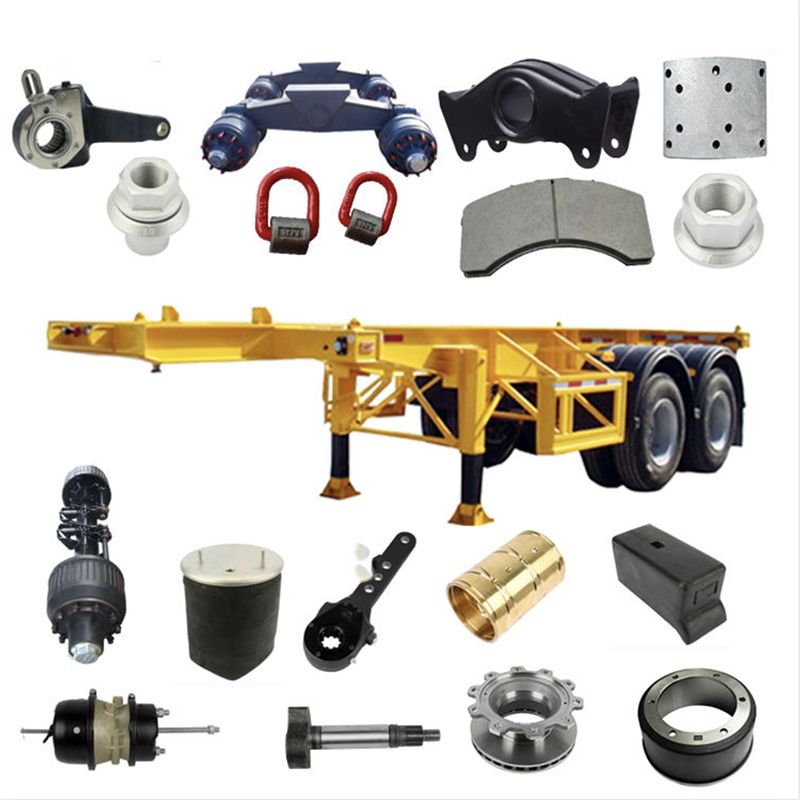
Not all Trailer Parts carry the same risk. The smartest buyers prioritize components that influence stopping distance, stability, coupling safety, and electrical reliability.
-
Braking components: Brake chambers, slack adjusters, air valves, and related hardware often fail due to heat, poor sealing, air leaks, and neglected adjustment routines. Prioritize consistent materials, sealing performance, and repeatable braking response.
-
Suspension and running gear: Leaf springs, equalizers, hangers, bushings, and axle-related items wear from overload, corrosion, and vibration. Prioritize accurate dimensions and strong wear surfaces to avoid uneven tire wear and unstable handling.
-
Coupling and security: Kingpins, landing gear, locks, and support hardware are high-consequence parts. Prioritize proven load capacity, proper welding/forging integrity, and reliable surface protection against rust.
-
Electrical and lighting: Harnesses, sockets, connectors, and lamps fail from moisture intrusion and vibration. Prioritize waterproofing, strain relief, and connector standard compatibility to stop recurring “ghost faults.”
-
Wear items and body hardware: Mudguards, brackets, hinges, latches, and fasteners are often overlooked, but failures here can cause cargo risk and on-road hazards. Prioritize corrosion resistance and secure fastening design.
A dependable supplier should be able to help you confirm fitment, provide clear specifications, and support stable supply for recurring replacements. This is where experienced manufacturers like Shandong Liangshan Fumin Trailer Parts Manufacturing Co. LTD can reduce “trial-and-error” ordering, especially when fleets standardize parts across multiple trailer types.
Parts Selection Table: Risks, Symptoms, and Smart Choices
|
Category
|
Common customer pain
|
Warning signs
|
What to prioritize when buying
|
|
Braking
|
Repeat air leaks, inconsistent braking response
|
Slow brake release, uneven wear, hiss near lines
|
Sealing quality, stable materials, correct interface type, predictable performance
|
|
Suspension
|
Mismatched bushings, accelerated tire wear
|
Clunking, uneven ride height, drifting
|
Accurate dimensions, wear resistance, corrosion protection, paired replacement strategy
|
|
Coupling & landing gear
|
High-risk failures, difficult verification
|
Loose coupling feel, abnormal wear, hard cranking
|
Load capability, build integrity, surface treatment, clear installation guidance
|
|
Electrical & lighting
|
Water intrusion, intermittent faults
|
Blinking lights, socket corrosion, loose pins
|
Waterproofing, connector standard match, strain relief, durable wiring
|
|
Body hardware
|
Rust, rattling, latch failure
|
Loose doors, missing fasteners, vibration noise
|
Corrosion resistance, secure fastening design, practical replacement kits
|
If you’re standardizing inventory, start with high-risk systems (braking, coupling) and high-frequency wear items (bushings, connectors, hardware). That combination usually delivers the biggest uptime gains.
Ordering and Documentation Checklist
The fastest way to reduce ordering errors is to standardize what you send to your supplier. Use this checklist and you’ll spend less time guessing and more time fixing.
-
Trailer identification: model/type, usage, axle configuration, and any known modifications.
-
Part identification: photos, measurements, and any markings or codes.
-
Fitment details: bolt pattern, connector type, mounting orientation, and clearance constraints.
-
Performance needs: load range, route profile, corrosion exposure, temperature exposure.
-
Replacement scope: single item vs. paired replacement (left/right), plus any recommended companion parts.
-
Recordkeeping: installation date, torque/lube notes, and the next inspection date.
Inventory tip: Keep a “minimum stock” list for the top 10 failure items in your operation. When each item hits the reorder point, replenish immediately—this prevents a small failure from turning into a multi-day delay.
Maintenance Routines That Cut Breakdowns
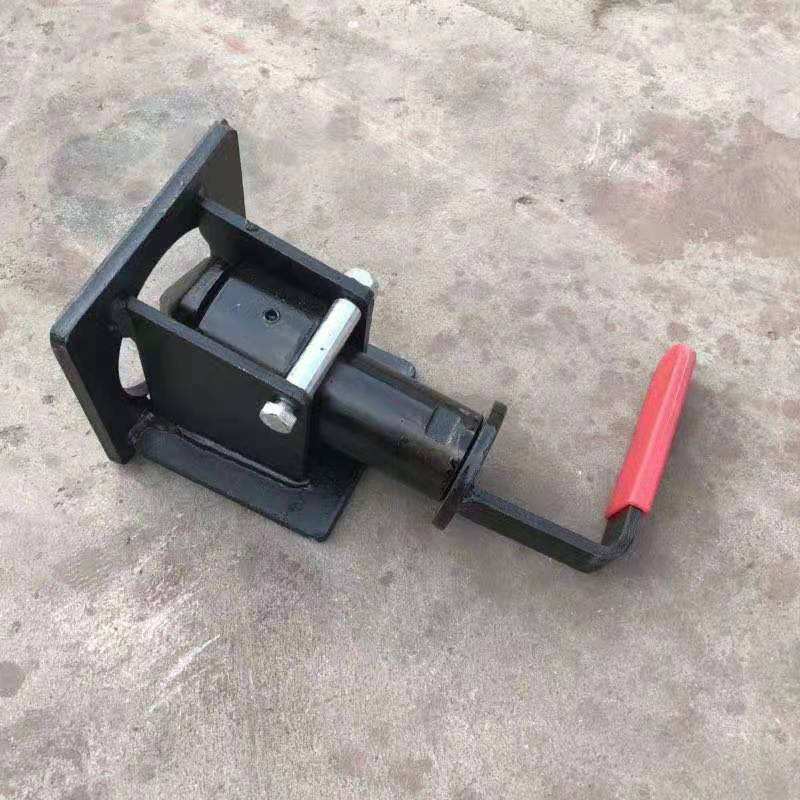
Even the best Trailer Parts can fail early if they’re installed incorrectly or left uninspected. These routines are simple, fast, and consistently pay off.
-
Weekly quick check: walkaround for air leaks, abnormal tire wear, loose hardware, damaged wiring, and missing fasteners.
-
Monthly system focus: verify braking response, inspect slack adjuster travel, check bushings for play, and look for corrosion around mounts.
-
After harsh exposure: wash and inspect connectors, lights, and metal joints after heavy rain, salted roads, or dusty routes.
-
Post-repair verification: re-check torque and alignment after initial settling, especially on suspension and coupling-related components.
If you’re dealing with frequent repeat failures, don’t just replace the same component again. Ask: is the neighboring part causing stress, misalignment, heat buildup, or vibration? System thinking is what turns repairs into long-term fixes.
FAQ
How do I confirm compatibility if my trailer has been modified?
Start with what you can measure and photograph today: mounting points, bolt patterns, connector standards, and overall dimensions. Modifications usually change interfaces—so current physical data is more reliable than original paperwork alone.
Which Trailer Parts should I never “cheap out” on?
Prioritize safety-critical components: braking items, coupling/kingpin-related parts, and suspension elements that affect stability and tire wear. A low upfront price can become expensive through downtime, repeat labor, and risk.
Why do I keep seeing uneven tire wear after suspension repairs?
Uneven tire wear often points to misalignment, worn bushings, mismatched left/right components, or a neighbor part that remains loose. Consider paired replacement on symmetrical parts and re-check torque after initial settling.
What documents should I keep for faster future ordering?
Keep a simple record: installed part code, photos, measurements, installation date, and notes on torque/lubrication. This reduces the “mystery” factor and speeds up repeat orders.
How can a supplier help me reduce ordering mistakes?
A strong supplier will offer clear specifications, consistent production, and practical fitment guidance. When you share photos and measurements, experienced teams can help confirm options and prevent mismatches before shipping.
Next Step
The fastest way to reduce downtime is to standardize your Trailer Parts sourcing process: verify fitment, prioritize safety-critical systems, document what you install, and build a small inventory of the most common failure items. Done consistently, this turns “reactive repairs” into predictable maintenance.
If you want help matching parts to your trailer configuration or building a stable replacement plan, Shandong Liangshan Fumin Trailer Parts Manufacturing Co. LTD can support you with practical specifications and a broad trailer parts offering—so you can order with less guesswork and fewer repeat repairs. Ready to improve uptime and cut ordering errors? contact us to discuss your trailer type, usage conditions, and the parts you need most.
 English
 Español
  Português
  русский
  Français
  日本語
日本語  Deutsch
  tiếng Việt
  Italiano
  Nederlands
  Polski
  한국어
한국어  Svenska
  magyar
  Malay
Malay  বাংলা ভাষার
  Dansk
Dansk  Suomi
Suomi  हिन्दी
  Pilipino
  Türkçe
  Gaeilge
  العربية
  Indonesia
  Norsk
Norsk  تمل
تمل  český
český  ελληνικά
  український
  Javanese
  فارسی
فارسی  தமிழ்
தமிழ்  తెలుగు
  नेपाली
  Burmese
  български
  ລາວ
ລາວ  Latine
  Қазақша
  Euskal
  Azərbaycan
  Slovenský jazyk
  Македонски
  Lietuvos
  Eesti Keel
  Română
  Slovenski
  मराठी
मराठी  Srpski језик
  ภาษาไทย