 English
 Español
  Português
  русский
  Français
  日本語
日本語  Deutsch
  tiếng Việt
  Italiano
  Nederlands
  Polski
  한국어
한국어  Svenska
  magyar
  Malay
Malay  বাংলা ভাষার
  Dansk
Dansk  Suomi
Suomi  हिन्दी
  Pilipino
  Türkçe
  Gaeilge
  العربية
  Indonesia
  Norsk
Norsk  تمل
تمل  český
český  ελληνικά
  український
  Javanese
  فارسی
فارسی  தமிழ்
தமிழ்  తెలుగు
  नेपाली
  Burmese
  български
  ລາວ
ລາວ  Latine
  Қазақша
  Euskal
  Azərbaycan
  Slovenský jazyk
  Македонски
  Lietuvos
  Eesti Keel
  Română
  Slovenski
  मराठी
मराठी  Srpski језик
  ภาษาไทย


How to Choose Used Trailers?
Article Abstract
Buying Used Trailers can feel like a gamble: hidden rust, mismatched documents, tired axles, or a “great deal” that turns into weeks of downtime. This guide breaks the process into clear steps—how to match a trailer to your job, what to inspect, which documents to demand, and how to calculate the true cost beyond the sticker price. You’ll also get checklists, a comparison table, and practical FAQs so you can buy confidently whether you’re a first-time owner-operator or managing a growing fleet.
Table of Contents
- What makes used trailer buying stressful?
- How do you choose the right trailer for your routes and cargo?
- Which trailer types fit common jobs?
- What should you inspect before you pay?
- How do you verify maintenance and usage history?
- How do you estimate the real cost of ownership?
- What should a trustworthy supplier provide?
- FAQ
Outline
- Define your use case: cargo, routes, loading style, and regulatory requirements
- Narrow to a trailer category and key specs that protect payload and uptime
- Inspect structure, running gear, brakes, tires, electrics, and safety components
- Confirm documents and identity: VIN/serial, titles, export papers (if needed)
- Calculate total ownership cost: repairs, parts availability, downtime risk
- Choose a supplier who can support inspection transparency and after-sale parts
◆◆◆
What makes used trailer buying stressful?
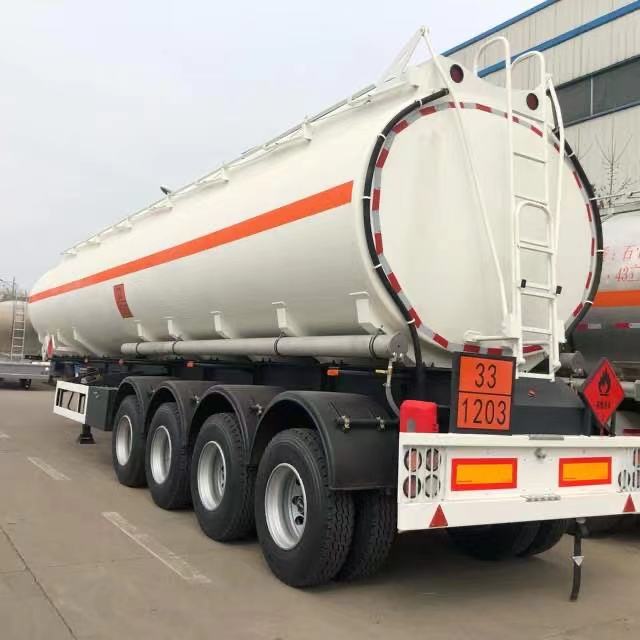
You’re not imagining it—trailers can look fine in photos and still be a problem in real life. The biggest buyer pain points usually fall into four buckets:
- Hidden structural damage: fatigue cracks, repairs that weren’t done properly, or corrosion hiding under paint and undercoating.
- Running-gear surprises: worn suspension components, tired bearings, brake issues, or alignment problems that eat tires fast.
- Paperwork gaps: unclear ownership history, missing identifiers, or documents that don’t match the unit you’re standing next to.
- Downtime costs: the trailer might be cheap, but if it sits in the yard waiting for parts or repairs, you pay for it twice.
The goal isn’t to find a “perfect” used unit—it’s to reduce uncertainty. A smart process will surface deal-breakers early and help you price in any fixes before you commit.
How do you choose the right trailer for your routes and cargo?
Start by defining your actual day-to-day work. “General purpose” is where people overspend or buy the wrong spec. Use the questions below to lock the requirements:
- What’s your primary cargo? Pallets, bulk materials, containers, machinery, vehicles, or mixed loads?
- How do you load and unload? Forklift from the side, rear loading, top loading, ramps, or crane?
- What routes do you run? City delivery, long-haul highway, rough industrial yards, construction access roads?
- What constraints apply? Local axle limits, bridge laws, height/length restrictions, and permit requirements.
- What uptime do you need? Occasional use can tolerate more maintenance; daily revenue work can’t.
Then translate those answers into specs you can verify: deck type, axle configuration, suspension type, brake system, tire size, kingpin and fifth-wheel compatibility, and whether the trailer needs additional features like twist locks, toolboxes, or tarp systems.
◆◆◆
Which trailer types fit common jobs?
There’s no one best choice—only the best fit for your cargo and workflow. Here’s a practical comparison that helps you shortlist faster:
| Trailer Type | Best For | Key Buying Checks | Common Cost Traps |
|---|---|---|---|
| Flatbed / Stake | Steel, lumber, palletized freight, oversized loads with straps | Deck integrity, side rail straightness, tie-down points, corrosion around crossmembers | Warped deck, cracked welds, bent main beams that cause load shift risk |
| Lowbed / Lowboy | Heavy equipment, machinery, tall loads needing lower height | Gooseneck area, ramp condition, hydraulic components (if any), frame fatigue points | Hidden stress cracks, expensive ramp repairs, worn suspension under heavy cycles |
| Container Chassis | 20ft/40ft containers, port drayage, intermodal | Twist locks, slider function, frame squareness, electrical and ABS, landing gear | Seized sliders, twist lock wear, misalignment causing uneven tire wear |
| Side Wall / Cargo Semi Trailer | Bagged goods, general freight needing side protection | Wall panels, hinges/latches, floor wear, water ingress, door seal condition | Hidden rot/rust from leaks, door alignment issues, hardware replacement costs |
| Tipper / Dump | Aggregates, sand, coal, construction materials | Hydraulic cylinder, pivot points, bed condition, frame reinforcement, safety locks | Hydraulic leaks, worn pins/bushings, cracked beds from impact loading |
Tip: If you’re torn between two types, choose the one that reduces handling steps (and damage risk). Fewer transfers often means fewer claims and fewer repairs.
What should you inspect before you pay?
A real inspection is not a walk-around. It’s a systematic check of structure, running gear, and safety systems. If you can’t inspect in person, ask for time-stamped photos/videos that follow a checklist and show serial numbers clearly.
Structural checklist
- Main beams and crossmembers: look for cracks, fresh paint covering welds, ripples, or uneven surfaces.
- Rust and corrosion: surface rust is common; deep pitting around joints and load points is a red flag.
- Floor/deck condition: soft spots, delamination, or excessive wear where forklifts turn.
- Landing gear and kingpin zone: inspect for deformities, repairs, and abnormal wear patterns.
Running gear and brakes checklist
- Axles and alignment: uneven tire wear can indicate alignment, bent components, or suspension issues.
- Suspension: check bushings, hangers, air bags (if equipped), and signs of leaks or dry rot.
- Brakes: verify chamber condition, slack adjusters, lines, and whether braking is balanced.
- Bearings and hubs: look for leaks, heat discoloration, and maintenance evidence (grease, seals, caps).
- Tires and rims: don’t just check tread—inspect sidewalls, date codes, and rim cracks.
Electrical and safety checklist
- Lighting harness: confirm all lights function and the wiring isn’t patched dangerously.
- ABS: check indicator behavior and sensor condition if applicable.
- Reflective markings: ensure visibility requirements can be met for your operating region.
- Air lines and connectors: inspect for leaks, abrasion, and secure fittings.
Quick rule: if the seller refuses clear undercarriage photos, serial number shots, or a basic walk-through video, treat it as a risk premium—or walk away.
◆◆◆
How do you verify maintenance and usage history?
Most problems become predictable when you understand how the trailer was used. A trailer that hauled light loads on clean highways may age very differently from one that ran overloaded through rough yards.
- Ask for maintenance records: brake service, bearing repacks, suspension replacements, and tire history.
- Confirm major repairs: when and why were structural repairs done, and who performed them?
- Check identity consistently: VIN/serial plates, stamping locations, and paperwork should match without “close enough” excuses.
- Look for usage clues: heavy scarring, twisted tie-downs, or deformed ramps often tell a clearer story than a sales pitch.
If the unit is being purchased for cross-border shipping or export, document clarity matters even more. Build a simple “paperwork pack” checklist before you negotiate so you don’t discover issues after funds are sent.
How do you estimate the real cost of ownership?
The price tag is only the starting point. The real question is: what will it cost to keep this trailer earning money reliably? Use a total-cost approach that includes expected repairs, parts availability, and downtime risk.
| Cost Category | What to Include | How to Reduce Risk |
|---|---|---|
| Immediate reconditioning | Brakes, tires, lights, airlines, minor welding, seals | Require a pre-delivery checklist and photo proof of key replacements |
| Preventive maintenance | Bearings, suspension wear items, periodic inspections | Choose common configurations with widely available consumables |
| Compliance upgrades | Reflective tape, guards, load securement points, safety equipment | Confirm local requirements before buying, not after |
| Downtime and dispatch risk | Lost loads, rescheduling fees, rental replacements | Prioritize structural integrity and running-gear health over cosmetics |
A useful mindset: a cheaper trailer that needs frequent repairs can be more expensive than a pricier unit that runs clean for the next 12–24 months. When in doubt, pay for condition—especially the frame, axles, suspension, and brakes.
◆◆◆
What should a trustworthy supplier provide?

Trust isn’t a vibe—it’s a set of behaviors you can verify. A reliable supplier will make it easy for you to see what you’re buying and support you after delivery.
Supplier standards that protect buyers
- Transparent inspection evidence: clear photos and videos, including undercarriage, serial numbers, and close-ups of wear points.
- Condition grading: not “good” or “excellent,” but specific notes about frame, brakes, tires, suspension, and electricals.
- Document readiness: paperwork that matches the physical unit without confusion.
- Parts support: access to common consumables and replacement components so you’re not stuck sourcing basics.
- Clear communication: timeline, loading method, and shipping options explained upfront.
At Shandong Liangshan Fumin Trailer Parts Manufacturing Co. LTD, our approach is simple: help buyers reduce uncertainty. Because we work closely with trailer components and real-world operating conditions, we focus on practical details that affect reliability—especially wear items and safety-critical systems. If you’re comparing multiple units, we can help you prioritize what matters most for your cargo, routes, and maintenance capabilities.
Buyer-friendly tip: When you request a quote, ask for a “proof pack”—a structured set of photos/videos that follows the same checklist every time. It makes comparisons fair and prevents unpleasant surprises after purchase.
FAQ
Q: What is the single biggest red flag when buying used trailers?
A: Structural uncertainty—especially when the seller won’t provide undercarriage visuals, close-ups of main beams/crossmembers, or clear ID verification. If you can’t verify the bones, don’t gamble on the paint.
Q: Should I prioritize low mileage or newer model year?
A: For trailers, usage type often matters more than age. A newer trailer abused in harsh conditions can be worse than an older unit with consistent maintenance. Focus on frame condition, running gear health, and document clarity.
Q: How can I buy remotely without getting burned?
A: Require time-stamped videos that follow a checklist, include serial numbers, and show brake/suspension areas up close. Ask for a clear condition report and make sure the documents match the unit.
Q: What parts tend to cost the most if I misjudge condition?
A: Frame repairs, suspension and alignment issues (because they also destroy tires), brake system problems, and hydraulic systems on tipper/dump units. These can escalate quickly if neglected.
Q: I’m a first-time buyer—what should I keep simple?
A: Choose a common trailer configuration, avoid rare or heavily modified setups, and prioritize a unit with clear maintenance history and standard parts availability. Simplicity usually equals less downtime.
Final thoughts
Buying Used Trailers doesn’t have to be a leap of faith. Define your job requirements, inspect the structure and running gear like a professional, verify identity and documents, and calculate the real cost beyond purchase price. Do that—and you’ll stop “shopping” and start selecting.
Ready to compare options or request an inspection pack for your shortlist? Tell us your cargo type, route conditions, and preferred trailer configuration, and we’ll help you narrow down the safest choices. Contact us today to get a practical recommendation and a buyer-friendly quote.
Send Inquiry


X
We use cookies to offer you a better browsing experience, analyze site traffic and personalize content. By using this site, you agree to our use of cookies.
Privacy Policy