Article Abstract
Trailer downtime is expensive, and the root cause is often surprisingly small: a worn air hose, a mismatched brake chamber, a cracked light, or a loose suspension component. This guide breaks down the Trailer Parts that most directly impact safety, compliance, and operating cost—then shows you how to choose the right parts the first time.
You’ll get a practical buying checklist, a maintenance-by-symptom table, and clear answers to common questions so you can reduce failures, simplify repairs, and keep your trailers road-ready.
Along the way, you’ll see how a specialized manufacturer like Shandong Fumin Trailer Parts Manufacturing Co., Ltd. supports consistent specs and dependable supply for fleets, workshops, and distributors.
Outline
-
Identify why trailer repairs keep repeating (and how to stop the cycle).
-
Prioritize the systems that drive safety and compliance.
-
Use a simple compatibility method to avoid wrong-part orders.
-
Apply a symptom-to-part diagnostic table for quicker troubleshooting.
-
Build a maintenance routine that protects your highest-cost components.
-
Choose suppliers with consistent specs, documentation, and stable supply.
Back to top
The Real Pain Points Behind Trailer Parts Purchases
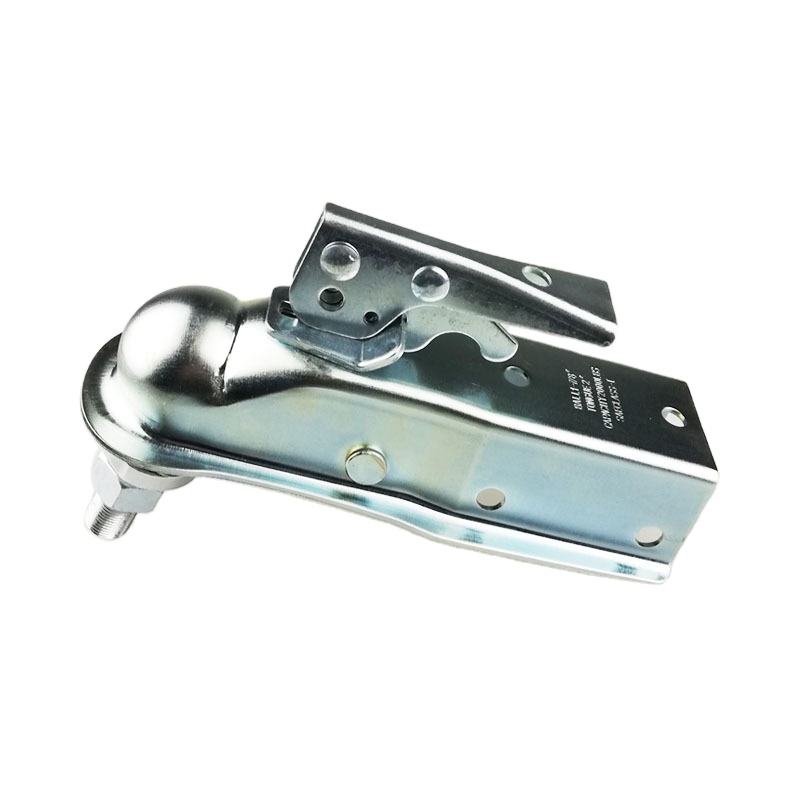
Most customers don’t wake up excited to shop for Trailer Parts. They buy because something went wrong—often at the worst time.
If you’ve ever dealt with a roadside breakdown, a failed inspection, or a “we replaced it last month” repeat repair, you already know the hidden costs:
-
Downtime and missed deliveries: one trailer sidelined can disrupt a full route plan.
-
Wrong-part orders: mismatched dimensions, incompatible mounts, or different air/brake specs create delays and return hassles.
-
Safety and compliance pressure: brakes, lighting, and suspension issues can cause violations—or worse, accidents.
-
Inconsistent quality: parts that look similar may use different materials, coatings, or machining tolerances.
-
Unclear documentation: missing spec sheets, part numbers, or installation guidance slows technicians down.
The goal of smart Trailer Parts purchasing is simple: reduce repeat failures. That means choosing parts by fit, function, and operating conditions—not by appearance alone.
Back to top
Trailer Parts That Matter Most by System
If you’re prioritizing where to spend time and budget, focus on the systems that directly influence stopping distance, stability, visibility, and load control.
Below are the key Trailer Parts categories and the “why it matters” behind each.
-
Braking system parts
Think brake chambers, slack adjusters, brake shoes/linings, drums, air valves, ABS components, and air lines.
Brakes are the fastest path to safety issues and inspection failures—so compatibility and consistent quality matter most here.
-
Suspension and running gear
Leaf springs, air suspension components, hangers, equalizers, torque arms, U-bolts, bushings, and axle-related hardware.
These parts influence handling, tire wear, and frame stress. Small wear can create big alignment problems.
-
Coupling and landing support
Kingpins, fifth wheel interfaces, landing gears, legs, gearboxes, and crank assemblies.
Wear here creates operational headaches (hard coupling/uncoupling) and serious safety concerns under load.
-
Electrical and lighting
Lamps, harnesses, connectors, reflectors, and mounting brackets.
Lighting issues are common because trailers live outdoors. Strong sealing, stable connectors, and durable mounts prevent repeat failures.
-
Body and cargo control
Door hardware, hinges, latches, locks, side guards, mudguards, and protection components.
These parts protect cargo and reduce “small damage” that turns into expensive structural repair over time.
One practical approach: treat braking + suspension + coupling as your “must-not-fail” group.
If you standardize those Trailer Parts across your fleet, you simplify spares, speed up repairs, and reduce training complexity.
Back to top
How to Select Trailer Parts Without Guessing
The fastest way to waste money on Trailer Parts is to order by photos alone.
A part can look right and still be wrong for your axle rating, mounting pattern, stroke length, or air/brake configuration.
Here’s a clean selection method your team can repeat every time:
-
Start with the system and the failure mode
Ask: is this wear, corrosion, impact damage, overheating, or misalignment? The “why” affects the “what.”
For example, repeated bushing wear can point to mounting misalignment or overload—not just a low-quality bushing.
-
Confirm key dimensions and interfaces
For mechanical parts: bolt spacing, shaft diameter, mounting orientation, and compatible hardware grade.
For pneumatic parts: port type, hose size, pressure range, and valve configuration.
For electrical: connector type, voltage, sealing rating, and mounting footprint.
-
Match ratings to real-world load and route conditions
Long highway runs, harsh winters, coastal corrosion, construction sites, and heavy stop-and-go all punish different components.
Choosing coatings, seals, and materials that fit your environment reduces repeat replacement.
-
Standardize part numbers where possible
Fleets that standardize core Trailer Parts reduce inventory confusion and speed up new technician onboarding.
Even small standardization (like consistent connectors or common brake chamber types) pays off quickly.
-
Ask for documentation that supports your workshop
Look for stable specs, drawings or dimension notes, clear labeling, and packaging that prevents damage in transit.
This is where a focused manufacturer can help. Shandong Fumin Trailer Parts Manufacturing Co., Ltd. supplies a broad range of Trailer Parts and supports customers who want consistent specifications across repeat orders—
the kind of consistency that makes maintenance predictable instead of chaotic.
Back to top
Quick Diagnostic Table for Faster Decisions
When a trailer comes in with a complaint, your technician needs a fast path from symptom to likely root cause.
Use this table as a starting point, then confirm fitment details before ordering.
|
Symptom
|
Likely System
|
Common Parts to Check
|
Risk if Ignored
|
|
Longer stopping distance or uneven braking
|
Braking
|
Brake chambers, slack adjusters, shoes/linings, drums, air lines, valves
|
Safety hazard, inspection failure, tire flat spots
|
|
Trailer pulls to one side, abnormal tire wear
|
Suspension / Alignment
|
Bushings, hangers, equalizers, U-bolts, axle hardware
|
Rapid tire loss, instability, frame stress
|
|
Air leaks, slow brake response
|
Pneumatic
|
Air hoses, fittings, couplers, valves, seals
|
Brake lag, higher compressor load, downtime
|
|
Hard coupling, excessive play, clunking noises
|
Coupling
|
Kingpin wear, mounting hardware, interface damage
|
Coupling failure risk, operational delays
|
|
Lights flicker or fail after rain/wash
|
Electrical
|
Connectors, harnesses, lamp seals, mounting brackets
|
Violations, reduced visibility, repeat repairs
|
|
Landing gear binds or won’t lift smoothly
|
Landing Support
|
Gearbox, legs, crank, internal wear, lubrication points
|
Loading delays, injury risk, costly replacement
|
If you want to reduce “trial-and-error ordering,” keep a workshop log that pairs these symptoms with the exact Trailer Parts used and the final fix.
In a few weeks, patterns become obvious.
Back to top
Maintenance Habits That Extend Part Life
Buying better Trailer Parts helps, but maintenance habits often decide whether a component lasts 6 months or 3 years.
These practices are simple, repeatable, and workshop-friendly:
-
Create a “high-impact inspection” routine: brakes, air lines, suspension fasteners, lighting, and coupling points first—every time.
-
Control corrosion early: coastal routes and winter road treatment accelerate rust. Wash, inspect coatings, and replace damaged protectors before metal fatigue starts.
-
Torque matters: many repeat issues are caused by improper tightening, especially around suspension hardware and mounts.
-
Replace in sets when logic demands it: certain wear items behave as a system. Mixing old and new can create uneven performance.
-
Protect wiring and connectors: secure routing, proper seals, and strain relief prevent “mystery electrical” problems.
-
Keep a standardized spares kit: common fittings, hoses, connectors, lights, and key brake items reduce roadside panic purchases.
The practical payoff is fewer emergency calls and faster turnarounds.
Your best maintenance program is the one your team can actually follow on a busy week.
Back to top
Sourcing and Quality Clues That Reduce Risk
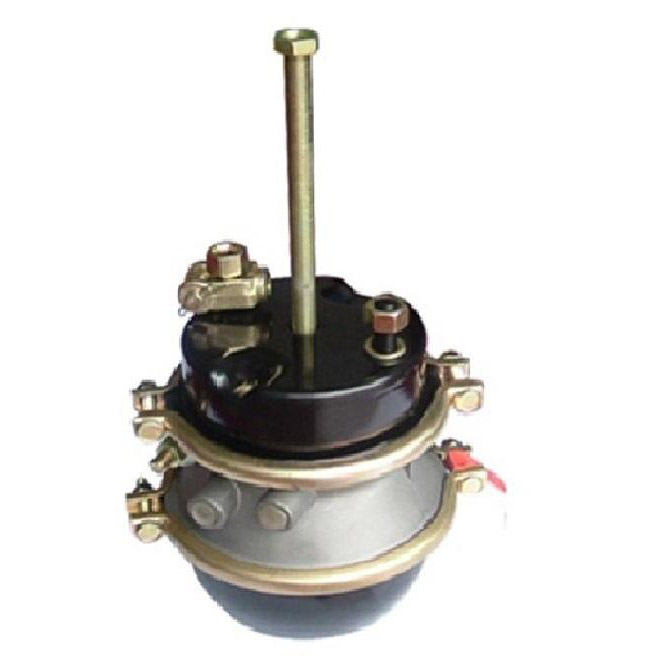
Not all Trailer Parts are created equal, and quality differences are not always visible at first glance.
Here are procurement signals that usually correlate with fewer headaches:
-
Clear part identification: labels, batch tracking, and stable part numbers help you reorder confidently.
-
Consistent specs across orders: repeatability matters more than “one good batch.”
-
Packaging that prevents damage: bent brackets, crushed seals, or scratched coatings can fail early.
-
Responsive technical support: fast answers on dimensions and compatibility save days.
-
Product breadth with focus: suppliers who specialize in trailer components often understand how parts interact across systems.
If your business depends on stable supply and repeatable fitment, work with manufacturers that build around consistent specifications. Shandong Fumin Trailer Parts Manufacturing Co., Ltd. supports customers who want dependable, repeat-order consistency across major trailer component categories—
a helpful advantage for fleets, repair centers, and distributors managing multiple trailer models.
Back to top
FAQ
Q: How many Trailer Parts should I keep in stock for emergencies?
A: Start with your highest-frequency failures: common air fittings/hoses, lighting items, connectors, and selected brake components.
Then expand based on your own repair history. A small, standardized kit usually pays for itself quickly.
Q: Why do I keep getting the “wrong part” even when it looks identical?
A: Visual similarity is misleading. Fitment often depends on bolt spacing, stroke length, port type, connector standard, or load rating.
Always confirm critical dimensions and interfaces before ordering Trailer Parts.
Q: Which systems should I prioritize if my budget is limited?
A: Prioritize braking, suspension/running gear, coupling, and lighting.
These systems carry the highest safety and compliance impact and can trigger the most costly downtime if ignored.
Q: Should I standardize Trailer Parts across different trailer models?
A: When possible, yes. Standardization reduces inventory complexity, speeds training, and simplifies troubleshooting.
Even partial standardization—like connectors, lamps, or common brake configurations—helps.
Q: What’s the fastest way to shorten repair time in the workshop?
A: Combine three things: a symptom-to-part diagnostic checklist, consistent documentation (part numbers + specs),
and a supplier who can confirm fitment quickly. That removes most of the back-and-forth that causes delays.
Back to top
Next Steps
If you’re tired of repeat breakdowns and “almost-right” replacements, the fix is usually not complicated:
identify the failure mode, confirm interfaces and ratings, standardize what you can, and build a small spares strategy around your real repair data.
The result is fewer surprises, safer operation, and lower total cost.
Looking for a stable source of Trailer Parts with consistent specifications and support for repeat orders?
Reach out to Shandong Fumin Trailer Parts Manufacturing Co., Ltd. and tell them your trailer type, application, and the parts you’re replacing— contact us today to get a practical recommendation and a smoother supply plan.
Back to top
 English
 Español
  Português
  русский
  Français
  日本語
日本語  Deutsch
  tiếng Việt
  Italiano
  Nederlands
  Polski
  한국어
한국어  Svenska
  magyar
  Malay
Malay  বাংলা ভাষার
  Dansk
Dansk  Suomi
Suomi  हिन्दी
  Pilipino
  Türkçe
  Gaeilge
  العربية
  Indonesia
  Norsk
Norsk  تمل
تمل  český
český  ελληνικά
  український
  Javanese
  فارسی
فارسی  தமிழ்
தமிழ்  తెలుగు
  नेपाली
  Burmese
  български
  ລາວ
ລາວ  Latine
  Қазақша
  Euskal
  Azərbaycan
  Slovenský jazyk
  Македонски
  Lietuvos
  Eesti Keel
  Română
  Slovenski
  मराठी
मराठी  Srpski језик
  ภาษาไทย