English
 Español
  Português
  русский
  Français
  日本語
日本語  Deutsch
  tiếng Việt
  Italiano
  Nederlands
  Polski
  한국어
한국어  Svenska
  magyar
  Malay
Malay  বাংলা ভাষার
  Dansk
Dansk  Suomi
Suomi  हिन्दी
  Pilipino
  Türkçe
  Gaeilge
  العربية
  Indonesia
  Norsk
Norsk  تمل
تمل  český
český  ελληνικά
  український
  Javanese
  فارسی
فارسی  தமிழ்
தமிழ்  తెలుగు
  नेपाली
  Burmese
  български
  ລາວ
ລາວ  Latine
  Қазақша
  Euskal
  Azərbaycan
  Slovenský jazyk
  Македонски
  Lietuvos
  Eesti Keel
  Română
  Slovenski
  मराठी
मराठी  Srpski језик
  ภาษาไทย

Article Abstract
Buying Used Spare Parts can feel like a gamble: you want the cost savings, but you don’t want downtime, mismatched fitment, or a part that fails two weeks later. This guide breaks the decision down into a practical, buyer-first process—how to identify the right applications for used parts, how to verify condition and compatibility, what questions to ask suppliers, and how to calculate true total cost (not just the sticker price). Whether you manage a fleet, maintain trailers, or support heavy equipment, you’ll leave with a checklist you can use immediately—plus a clear sense of when “used” is smart and when it’s a risk you should refuse.
Table of Contents
- Outline at a Glance
- The Real Pain Points Buyers Face
- What Counts as Used Spare Parts?
- When Used Parts Are the Smart Choice
- When You Should Avoid Used Parts
- Compatibility and Condition Checklist
- Questions to Ask Any Supplier
- Cost Breakdown Beyond the Price Tag
- Packaging, Shipping, and Documentation
- Installation and Post-Install Verification
- FAQ
- Wrap-Up
Outline at a Glance
- Clarify the exact part requirement and risk level (safety-critical vs non-critical).
- Confirm fitment using part numbers, measurements, and application data.
- Evaluate condition with photos, wear indicators, and (when possible) testing.
- Compare new vs used vs refurbished by total cost, not just unit price.
- Lock in supplier terms: grading, packaging, warranty/returns, and lead time.
- Verify after installation and track performance to inform future purchases.
The Real Pain Points Buyers Face
Most people don’t buy Used Spare Parts because it’s fun. They buy them because something broke at the worst moment, budgets are tight, or the “new” part is backordered for weeks. The trouble is that used-part shopping has a few recurring headaches:
- Downtime anxiety: “If this part fails, my trailer (or vehicle) is stuck and my delivery schedule collapses.”
- Fitment risk: “It looks right, but will it actually bolt on and perform correctly?”
- Unknown history: “Was it overloaded, overheated, or run without proper maintenance?”
- Quality inconsistency: “Two parts can share a name yet come from very different conditions.”
- Returns friction: “If it’s wrong, can I return it without losing weeks and extra shipping costs?”
The goal isn’t to eliminate risk (that’s not realistic). The goal is to control risk with a repeatable process—so you buy used parts confidently when it makes sense, and you refuse them when the downside is too expensive.
What Counts as Used Spare Parts?
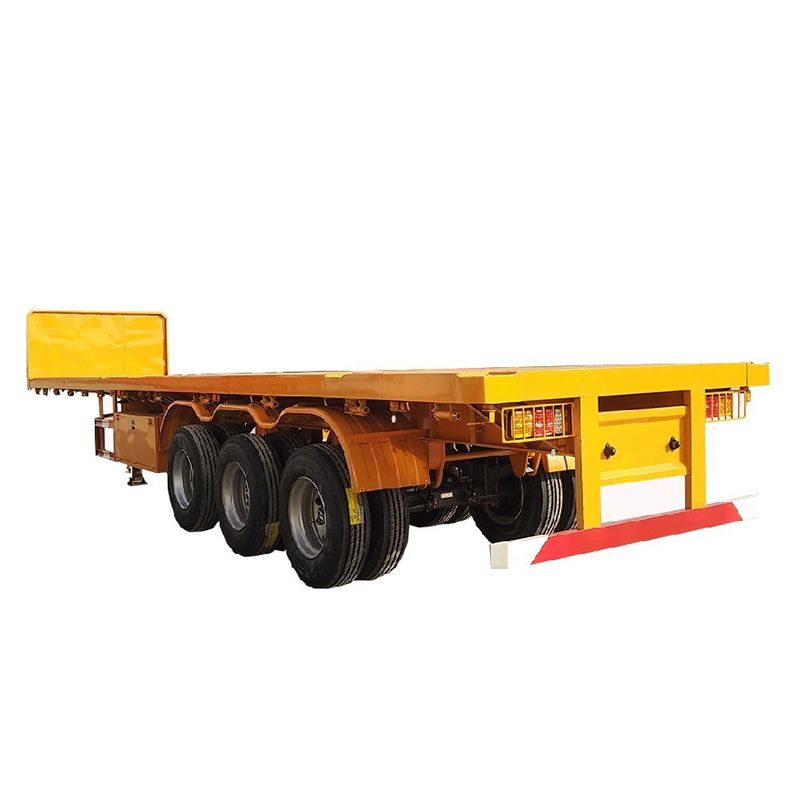
“Used” often gets treated like a single category, but buyers do better when they separate it into practical sub-types. The label can include:
- Take-off parts: Removed during upgrades or configuration changes, sometimes with relatively low wear.
- Salvage parts: Recovered from decommissioned equipment; condition varies widely and requires closer inspection.
- Tested used parts: Used items that have been inspected and function-checked before resale.
- Refurbished/reconditioned parts: Used components repaired to a standard (new seals, bearings, machining, etc.).
If you’re sourcing for trailers, fleets, or heavy-duty applications, you’ll often see used components associated with assemblies (for example, drivetrain or suspension-related items). The smart move is to define what “used” means in your purchase terms: grade, test criteria, and acceptable wear limits.
At Shandong Fumin Trailer Parts Manufacturing Co., Ltd., the conversations that go best are the ones where buyers start with: “Here’s my application and risk level—help me pick the right condition standard.” That single shift removes guesswork and prevents expensive mistakes.
When Used Parts Are the Smart Choice
Used Spare Parts can be a strong option when you’re buying for the right reasons and the right part category. Here are situations where used parts often shine:
1) You need a fast, budget-friendly fix for non-critical components
For parts that don’t directly determine stopping, steering, or structural safety, used options can reduce cost without creating unacceptable risk. Think trims, brackets, housings, certain mounts, and other items where failure is inconvenient—but not catastrophic.
2) New parts are discontinued or have long lead times
Older models and region-specific builds can make “new” parts hard to source. Used parts can keep equipment working while you plan a longer-term upgrade or replacement.
3) You’re optimizing total cost for a fleet
Fleet maintenance is often about uptime and predictable spend. With a stable supplier and consistent grading, used parts can become a controlled, repeatable purchasing strategy rather than a last-minute scramble.
4) You can verify condition and/or functionality
If a supplier can provide clear photos, measurements, test results, and a defined grading standard, you’re no longer buying “mystery used.” You’re buying a part with known boundaries.
When You Should Avoid Used Parts
There are categories where used purchasing can be a false economy, especially when failure creates safety hazards or legal exposure. In many operations, the safer default is: buy new for safety-critical systems.
- Braking system essentials: Components where wear, sealing, or internal condition can’t be reliably verified without specialized testing.
- Steering-related components: Any part where failure can cause immediate loss of control.
- Load-bearing structural parts with unknown stress history: Especially if you cannot confirm prior overload, impact, or corrosion exposure.
- Parts affected heavily by heat cycles and contamination: Where micro-damage isn’t visible but can shorten life dramatically.
If you still choose used for these categories, raise your standard: insist on tested/refurbished with clear documentation, and treat it as a controlled engineering decision—not a bargain hunt.
Compatibility and Condition Checklist
Use this checklist before you approve any Used Spare Parts purchase. It’s designed to prevent the two most expensive outcomes: the part doesn’t fit, or it fits but fails early.
| Check Item | What to Verify | Why It Matters |
|---|---|---|
| Part number / cross-reference | Exact number, supersessions, and approved alternates | Prevents “looks similar” fitment failures |
| Key dimensions | Bolt pattern, thickness, spline counts, port sizes, lengths | Catches hidden mismatches even when numbers are unclear |
| Wear indicators | Scoring, cracks, deformation, corrosion, pitting | Predicts shortened lifespan and early failure risk |
| Seals and interfaces | Gasket faces, threads, sealing edges, mating surfaces | Stops leaks, pressure loss, and repeat labor |
| Functional test evidence | Run test, pressure test, rotation smoothness, electrical checks | Separates “used” from “unknown condition” |
| Grade definition | A/B grade rules, acceptable wear limits, cosmetic vs functional criteria | Aligns expectations and reduces disputes |
Pro tip: ask for real photos of the exact item you’ll receive, not stock images. For assemblies, request close-ups of high-wear areas and any serial/label data.
Questions to Ask Any Supplier
A reliable supplier will answer clearly and consistently. If the answers are vague, you’re not buying Used Spare Parts—you’re buying uncertainty. Here’s a question set you can copy into your next inquiry:
- What is the exact application? (Make/model/year or equipment specification, plus any compatibility notes.)
- What grade is it, and what does that grade mean? (Define allowable wear, cosmetic limits, and functional expectations.)
- Has it been tested? If yes, how was it tested and what results can you share?
- What’s the part’s history? (Take-off upgrade, salvage, fleet retirement, etc.)
- What is included? (Sensors, brackets, fasteners, connectors—confirm scope.)
- What are the return conditions? (Time window, restocking fees, and who pays freight.)
- How will it be packaged? (Protection against moisture, impact, and contamination.)
If you’re purchasing at volume, ask one more question: “Can you supply this grade consistently?” Consistency is what turns used sourcing from a one-off deal into a dependable maintenance strategy.
Cost Breakdown Beyond the Price Tag
The cheapest unit price can still be the most expensive decision. For Used Spare Parts, the “true cost” includes labor, downtime, shipping, rework, and risk. Compare options using a simple framework:
| Option | Typical Strength | Typical Trade-Off | Best For |
|---|---|---|---|
| New | Highest predictability and lifespan | Higher upfront cost; possible lead times | Safety-critical parts, compliance-heavy operations |
| Used | Lower cost; availability for older models | Condition variability; needs verification | Non-critical parts, interim repairs, budget control |
| Refurbished | Better reliability than unknown used; defined process | Higher cost than used; varies by standard | High-value assemblies where testing matters |
When comparing quotes, add these “hidden” costs to your spreadsheet:
- Extra labor if modifications or rework are needed because of minor mismatches.
- Downtime cost (missed loads, rescheduling, idle assets).
- Repeat freight if the first unit arrives damaged or wrong.
- Inspection/testing time if your team must validate condition in-house.
- Failure risk (especially for high-consequence components).
Packaging, Shipping, and Documentation
Even a great used part can be ruined by poor handling. If you’re sourcing Used Spare Parts across regions or internationally, insist on packaging standards that protect against impact, moisture, and contamination.
Packaging basics that reduce damage claims
- Sealed wrapping for moisture-sensitive items (especially if stored in mixed environments).
- Shock protection and rigid outer packaging for heavy components.
- Protected mating surfaces (caps, covers, or cardboard shields where needed).
- Clear labeling: part number, grade, weight, and orientation markers for handling.
Documentation to request
- Item photos showing the exact part before packing.
- A basic inspection checklist or test note when available.
- A packing list that matches your purchase order line-by-line.
- Clear return steps if a mismatch is discovered on arrival.
This might sound “extra,” but it’s cheaper than losing a week because a heavy component got scraped, wet, or dented in transit.
Installation and Post-Install Verification
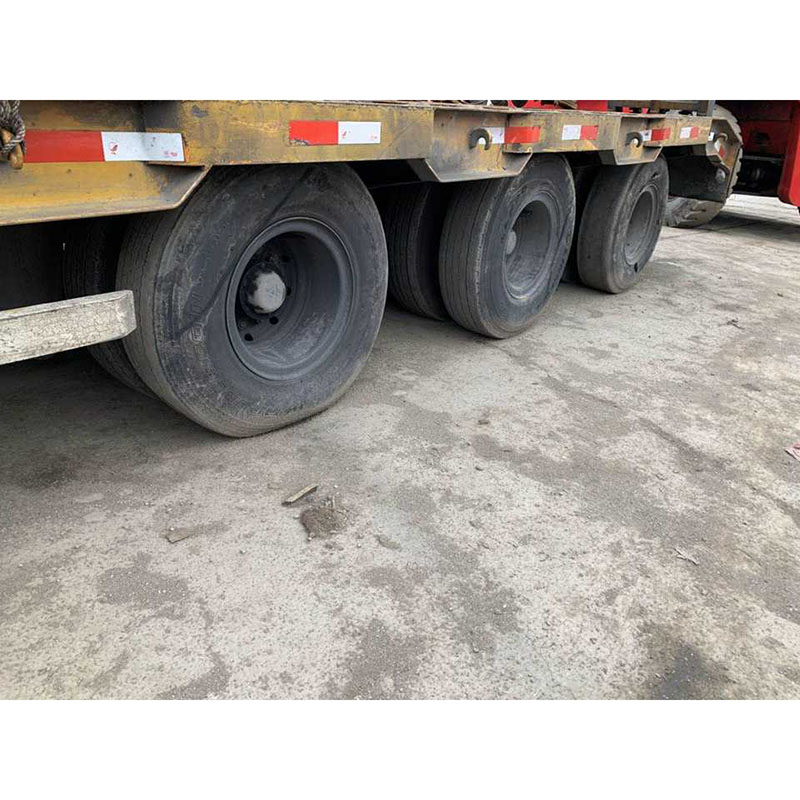
The final risk control step happens after the shipment arrives. Before installation, confirm fitment against your checklist, then document what you found. This is especially valuable if you buy Used Spare Parts repeatedly—your own records become a quality feedback loop.
A simple post-install routine
- Photograph condition on arrival (unboxing evidence helps if there’s a dispute).
- Confirm key dimensions and interfaces before torqueing down.
- Run a short verification test (noise, vibration, leaks, abnormal temperature, or performance checks).
- Track service outcome (date installed, mileage/hours, any issues) for future purchasing decisions.
If a used part fails early, the goal isn’t just to replace it—it’s to learn why it failed and tighten your sourcing criteria next time.
FAQ
Are Used Spare Parts reliable enough for fleet operations?
They can be—if you standardize grades, verify fitment, and buy from suppliers who can provide consistent condition and clear terms. Fleets do best when used sourcing is a process, not an emergency purchase.
How do I avoid buying the wrong used part?
Start with part numbers and cross-references, then confirm with measurements and real photos. If numbers are unclear, dimensional verification often catches problems before you spend money on freight and labor.
Should I buy used parts for safety-critical systems?
In many cases, no—especially if the internal condition can’t be verified. If you must, prefer tested or refurbished options with clear documentation, and tighten acceptance criteria.
What’s the best way to judge condition from photos?
Ask for close-ups of wear zones, mating surfaces, and labels/markings. Look for signs of impact, heavy corrosion, deformation, and abnormal wear. If you can’t get detailed photos, treat the purchase as higher risk and adjust your decision accordingly.
Do used parts usually come with warranty or returns?
Terms vary widely. The safest approach is to agree in writing on return windows, accepted reasons (wrong fitment vs defect), and who pays shipping. Clear terms protect both sides.
How many times should the keyword appear in a natural article?
As many as needed for clarity. In practice, it should show up where it genuinely helps the reader understand the topic—like definitions, checklists, and decision points—rather than being forced into every paragraph.
Wrap-Up
The best way to buy Used Spare Parts is to stop treating them like a gamble and start treating them like a controlled decision. Define your risk category, confirm fitment, validate condition, and lock in supplier terms before you pay. Done right, used sourcing can reduce costs and keep equipment moving—without turning every repair into a crisis.
If you want help choosing the right grade, confirming compatibility, or sourcing dependable used components with clear standards, contact us at Shandong Fumin Trailer Parts Manufacturing Co., Ltd. and tell us your application, part details, and timeline—we’ll help you move from “maybe” to “confident.”