 English
 Español
  Português
  русский
  Français
  日本語
日本語  Deutsch
  tiếng Việt
  Italiano
  Nederlands
  Polski
  한국어
한국어  Svenska
  magyar
  Malay
Malay  বাংলা ভাষার
  Dansk
Dansk  Suomi
Suomi  हिन्दी
  Pilipino
  Türkçe
  Gaeilge
  العربية
  Indonesia
  Norsk
Norsk  تمل
تمل  český
český  ελληνικά
  український
  Javanese
  فارسی
فارسی  தமிழ்
தமிழ்  తెలుగు
  नेपाली
  Burmese
  български
  ລາວ
ລາວ  Latine
  Қазақша
  Euskal
  Azərbaycan
  Slovenský jazyk
  Македонски
  Lietuvos
  Eesti Keel
  Română
  Slovenski
  मराठी
मराठी  Srpski језик
  ภาษาไทย


How Can You Buy Used Engineering Machinery Without Costly Surprises?
Abstract
Buying Used Engineering Machinery can be the fastest way to expand capacity, replace a failing unit, or test a new service line without the long lead time of brand-new equipment. The catch is that “used” often comes with uncertainty: unknown maintenance history, hidden wear, mismatched attachments, compliance paperwork gaps, and logistics headaches that can turn a good deal into an expensive lesson. This guide breaks down the practical steps to source reliable used machines with confidence—covering selection, inspection, documentation, shipping, budgeting, and after-sales support—so you can reduce downtime risk and protect your total investment. We’ll also explain how a parts-focused partner like Shandong Liangshan Fumin Trailer Parts Manufacturing Co. LTD can help buyers keep equipment running by aligning sourcing with ongoing serviceability.
Table of Contents
- Outline
- The Real Pain Points Behind Used Equipment Purchases
- Choosing the Right Machine for the Job (Not Just the Lowest Price)
- Inspection That Actually Catches Problems
- The Documents You Should Demand Before Paying
- Total Cost: The Budget Items People Forget
- How to Evaluate a Seller or Supplier
- Delivery, Handover, and First-Week Protection Plan
- FAQ
Outline
- Step 1: Define your workload, jobsite conditions, and must-have specs.
- Step 2: Shortlist models with strong parts availability and proven reliability.
- Step 3: Inspect the machine (or hire an independent inspector) using a structured checklist.
- Step 4: Verify hours, maintenance records, and legal/export documentation.
- Step 5: Calculate total cost, including repairs, shipping, and commissioning.
- Step 6: Confirm after-sales support and a clear handover process.
The Real Pain Points Behind Used Equipment Purchases
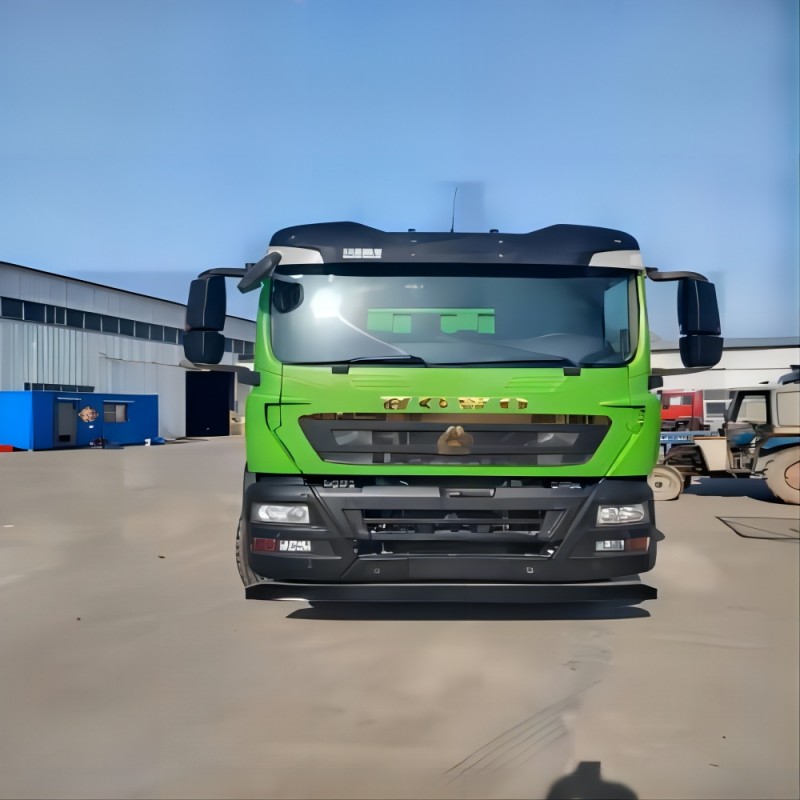
Most buyers don’t regret purchasing Used Engineering Machinery because it’s “used.” They regret it because they bought uncertainty. If you’ve ever experienced any of the situations below, you already know what makes used equipment stressful:
- Hidden wear: A machine looks clean, but the undercarriage, pins, bushings, hydraulics, or transmission are near end-of-life.
- Unclear maintenance history: No trustworthy service logs, inconsistent oil changes, or “repaired just enough to sell.”
- Mismatched configuration: Wrong attachments, non-standard couplers, missing safety features, or incompatible electrical systems.
- Downtime risk: You save upfront, then lose money on missed deadlines and emergency repairs.
- Paperwork gaps: Missing serial number consistency, export documentation issues, or compliance concerns at your destination port.
- Parts anxiety: You can’t source critical wear parts quickly, so a small failure becomes a long shutdown.
The goal of this article is simple: replace uncertainty with a repeatable process. When you treat the purchase like a project—not a bargain hunt—you get the upside of used equipment without the “surprise invoice” later.
Choosing the Right Machine for the Job (Not Just the Lowest Price)
Before you talk to sellers, be brutally clear about what the machine must do. Many expensive mistakes happen because buyers chase a low sticker price and then force the machine to work outside its ideal conditions.
Ask these questions first:
- What material are you moving (soil, rock, demolition debris, aggregates)?
- What’s the average haul distance, lift height, or digging depth?
- How many hours per day will the machine run, and under what temperature/dust conditions?
- Do you need quick couplers, specific bucket sizes, forks, grapples, breakers, or other attachments?
- Will the machine travel on public roads, or stay on-site?
Then choose for serviceability, not just specs:
- Parts availability: Popular models often win because wear parts and filters are easier to source.
- Operator familiarity: A “better” machine that your team can’t run efficiently becomes slow and costly.
- Fuel and maintenance profile: Older units can be great, but you should expect more proactive upkeep.
If your workflow includes hauling, towing, or site transport, your equipment strategy may overlap with trucks and trailers too—another reason some buyers look for suppliers that understand both machinery sourcing and long-term parts support.
Inspection That Actually Catches Problems
A walk-around and a quick start-up are not an inspection. A real inspection tries to answer one question: what will fail first, and how expensive will it be?
Best practice: Inspect in daylight, on a dry surface, and insist on a cold start. Warmed-up engines hide issues.
Inspection checklist you can follow:
| Area | What to Check | Why It Matters |
|---|---|---|
| Engine (cold start) | Start behavior, smoke, unusual knocks, blow-by, idle stability | Cold start exposes compression and injector issues |
| Hydraulics | Hose condition, leaks, cylinder scoring, response speed, drift under load | Hydraulic repairs can be costly and cause downtime |
| Undercarriage / tires | Track wear, sprockets, rollers, tension, tire cracks, uneven wear | Often the largest “hidden” replacement cost |
| Structure & frame | Cracks, weld marks, stress points, alignment, corrosion | Structural issues can be safety-critical and hard to fix |
| Transmission / drivetrain | Shift quality, noise, vibration, fluid condition, response under load | Drivetrain failures are expensive and time-consuming |
| Electrical & controls | Fault codes, sensors, lights, switches, displays, wiring repairs | Electrical “gremlins” can be persistent and hard to diagnose |
| Attachments | Pin/bushing play, coupler compatibility, bucket wear, breaker lines | Wrong or worn attachments reduce productivity |
Simple field tests that reveal a lot:
- Hydraulic hold test: Raise a boom/bucket, hold position, watch for drift or abnormal sounds.
- Travel test: Move forward/back, turn both directions, listen for clicking, grinding, or hesitation.
- Load simulation: If possible, push into material or lift a typical load to see real behavior.
- Fluid inspection: Check for metal flakes, burnt smell, milky oil (water contamination).
If you can’t inspect in person, consider hiring an independent inspector. The cost is usually small compared to one major repair.
The Documents You Should Demand Before Paying
Even a great machine can become a problem if documentation is weak. These are the “non-negotiables” that protect you:
- Serial number verification: Ensure the serial/VIN on the frame matches documents and seller records.
- Service and maintenance records: Dates, hours, parts replaced, major repairs, and routine intervals.
- Hour meter credibility: Compare reported hours with wear patterns (controls, pedals, pins, seat, paint wear).
- Ownership and export readiness: Clear proof the seller can legally transfer the machine.
- Inspection report and photos: Prefer a structured report, not a few flattering images.
- Parts list / recommended spares: Filters, belts, hoses, seals, wear parts, and key consumables.
If any of this feels “hard to provide,” treat that as a signal. Transparent sellers are proud of clean documentation.
Total Cost: The Budget Items People Forget
The sticker price is only the beginning. A smart buyer plans the first 90 days of ownership before the machine arrives.
| Cost Category | Commonly Missed Items | Practical Tip |
|---|---|---|
| Immediate maintenance | Fluids, filters, grease, belts, battery, basic sensors | Do a baseline service immediately so you “reset” the timeline |
| Wear parts | Undercarriage components, tires, cutting edges, pins/bushings | Ask for remaining-life estimates and price replacements upfront |
| Transport & logistics | Loading, permits, escort vehicles, port fees, packaging | Get a door-to-site quote, not just a port-to-port quote |
| Commissioning | Operator training, calibration, attachments setup, safety checks | Plan a “controlled first week” before full production |
| Downtime buffer | Backup machine rental, contingency labor costs | Budget a buffer so one delay doesn’t break the project |
A useful rule of thumb: If you’re buying a used unit to meet a deadline, allocate a contingency fund for the first month. It’s not pessimism—it’s professional planning.
How to Evaluate a Seller or Supplier
When you buy Used Engineering Machinery, you’re not only buying metal—you’re buying the seller’s honesty, process, and after-sales support.
Signs of a trustworthy supplier:
- They provide consistent photos/videos, including flaws—not only “best angles.”
- They answer technical questions directly (not vaguely) and can explain past repairs.
- They offer inspection access or accept third-party inspections.
- They talk about parts and maintenance realistically, not magically.
- They can coordinate logistics and documentation without improvising at the last minute.
Questions you should ask (and expect clear answers):
- What repairs were completed before listing, and what was not repaired?
- Which components are near end-of-life based on inspection?
- Can you provide a recommended spare parts list for the first 6–12 months?
- What is your standard handover procedure and dispute resolution process?
A supplier that understands long-term operations is especially valuable. For example, Shandong Liangshan Fumin Trailer Parts Manufacturing Co. LTD is known in its field for focusing on reliable component support—an approach that matters when your used purchase needs consistent parts supply, replacements, and practical guidance to keep equipment productive instead of parked.
Delivery, Handover, and First-Week Protection Plan
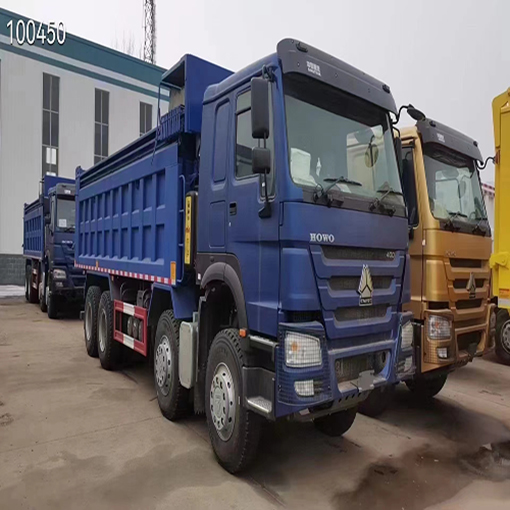
The purchase doesn’t end when the machine leaves the yard. Many problems show up during transport, unloading, or the first week of operation—exactly when projects are waiting.
Before dispatch:
- Confirm photo/video evidence of condition immediately before loading.
- List included items clearly: attachments, spare parts, manuals, tools, and keys.
- Document fluid levels and visible leaks (so you can spot new ones later).
On arrival:
- Do a receiving inspection before signing final acceptance.
- Run a baseline service: replace filters/fluids if uncertain, grease all points, check torque on key fasteners.
- Operate under light load first, then gradually increase to normal duty.
First-week protection plan:
- Track daily fluid consumption and temperatures.
- Listen for new noises and re-check for leaks after each shift.
- Schedule a follow-up inspection at 40–60 hours to catch early issues.
This “controlled ramp-up” is how professionals avoid turning small issues into catastrophic failures.
FAQ
Q: Is buying Used Engineering Machinery safe if I can’t inspect it in person?
A: It can be, but only if you replace in-person inspection with a structured third-party inspection and detailed documentation. Ask for cold-start video, operating video under load, serial verification, and a written checklist report with photos.
Q: What’s the biggest hidden cost when buying used equipment?
A: Wear parts and downtime. Undercarriage (for tracked units), drivetrain issues, and hydraulic repairs can add up quickly—plus you may lose money from delays if the machine is unreliable.
Q: How do I know the hour meter hasn’t been tampered with?
A: Compare hours to wear indicators: pedal/joystick wear, seat condition, pin/bushing play, undercarriage life, and maintenance records. Inconsistency is a red flag.
Q: Should I prioritize newer machines or better-known models?
A: Often, a widely supported model with good parts availability beats a newer but uncommon unit. Reliability is a combination of condition, configuration, and service support—not just year.
Q: What documents matter most for cross-border purchases?
A: Clean ownership transfer documents, serial/VIN consistency, export readiness paperwork, and a clear commercial invoice/packing list. Missing paperwork can create expensive delays at ports.
Q: What should I do immediately after I receive the machine?
A: Perform a receiving inspection, run baseline maintenance, and operate with a controlled ramp-up during the first week. That’s when you’ll catch leaks, overheating, and early warning signs.
Closing Thoughts
Buying Used Engineering Machinery doesn’t have to feel like gambling. When you approach it with a clear spec, disciplined inspection, strong documentation, and a realistic total-cost plan, used equipment becomes a strategic advantage—especially for contractors and operators who need fast deployment and flexible budgets.
If you want a sourcing process that prioritizes transparency, serviceability, and practical parts support, reach out to Shandong Liangshan Fumin Trailer Parts Manufacturing Co. LTD and let your next used purchase feel like a controlled upgrade—not a risky experiment. Ready to move forward? Contact us to discuss your requirements and get a tailored recommendation.
Send Inquiry


X
We use cookies to offer you a better browsing experience, analyze site traffic and personalize content. By using this site, you agree to our use of cookies.
Privacy Policy