 English
 Español
  Português
  русский
  Français
  日本語
日本語  Deutsch
  tiếng Việt
  Italiano
  Nederlands
  Polski
  한국어
한국어  Svenska
  magyar
  Malay
Malay  বাংলা ভাষার
  Dansk
Dansk  Suomi
Suomi  हिन्दी
  Pilipino
  Türkçe
  Gaeilge
  العربية
  Indonesia
  Norsk
Norsk  تمل
تمل  český
český  ελληνικά
  український
  Javanese
  فارسی
فارسی  தமிழ்
தமிழ்  తెలుగు
  नेपाली
  Burmese
  български
  ລາວ
ລາວ  Latine
  Қазақша
  Euskal
  Azərbaycan
  Slovenský jazyk
  Македонски
  Lietuvos
  Eesti Keel
  Română
  Slovenski
  मराठी
मराठी  Srpski језик
  ภาษาไทย


Why Do Casting Parts Matter for Trailer Performance and Long-Term Reliability?
Article Summary
Casting parts are at the core of many critical trailer components, directly influencing strength, safety, durability, and service life. For fleet operators, equipment manufacturers, and maintenance teams, choosing the right casting parts can mean the difference between stable long-term operation and frequent breakdowns. This in-depth article explains how casting parts are made, where they are used, what quality factors truly matter, and how to avoid common purchasing mistakes. Drawing on industry experience and practical application scenarios, it also explores how Shandong Fumin Trailer Parts Manufacturing Co., Ltd. supports global customers with reliable, application-focused casting solutions.
Table of Contents
- Understanding Casting Parts in Trailer Applications
- Common Pain Points Buyers Face with Casting Parts
- How Casting Parts Are Manufactured
- Key Quality Indicators That Should Never Be Ignored
- Major Types of Casting Parts Used in Trailers
- Material Selection and Performance Comparison
- How Reliable Casting Parts Reduce Total Cost of Ownership
- Why Manufacturing Experience Matters
- Frequently Asked Questions
- Final Thoughts and Next Steps
Understanding Casting Parts in Trailer Applications
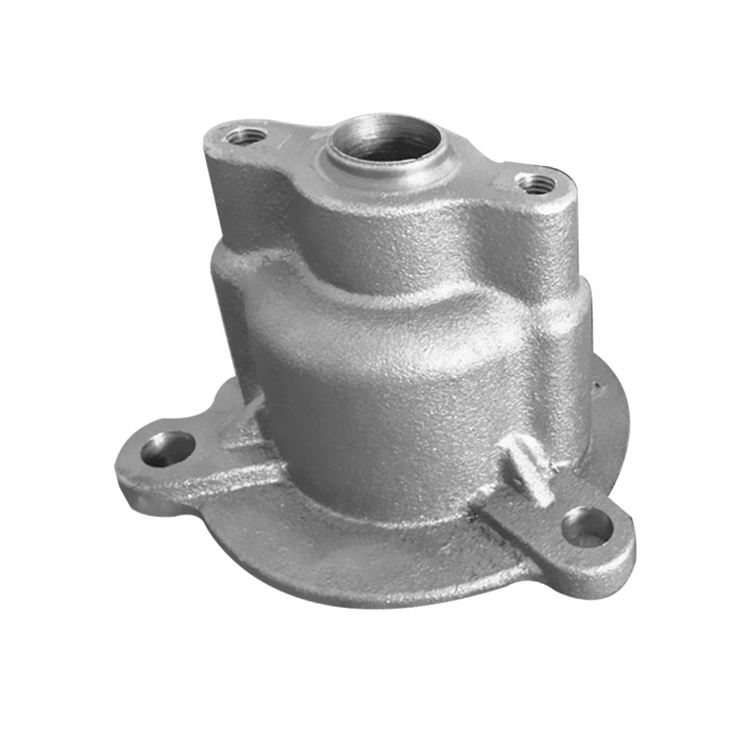
Casting parts are metal components formed by pouring molten material into a mold, allowing it to solidify into a precise shape. In trailer manufacturing, casting parts are widely used because they allow complex geometries, high load-bearing capacity, and consistent dimensional accuracy.
These components often function under heavy stress, vibration, and changing environmental conditions. Axle brackets, suspension components, couplers, and structural connectors all rely on well-made casting parts to ensure safe and predictable performance during operation.
Common Pain Points Buyers Face with Casting Parts
Despite their importance, casting parts are frequently underestimated during sourcing decisions. Many buyers encounter recurring issues that lead to downtime, safety concerns, and rising maintenance costs.
- Inconsistent dimensions causing installation difficulties
- Hidden internal defects that reduce structural strength
- Premature cracking under load or vibration
- Poor surface finish leading to corrosion
- Unclear material specifications from suppliers
These problems are rarely caused by design alone. In most cases, they stem from inadequate process control, insufficient testing, or lack of application-specific manufacturing knowledge.
How Casting Parts Are Manufactured
The performance of casting parts begins with the production process. Each step plays a role in determining final quality and reliability.
- Pattern design based on load and installation requirements
- Precise mold preparation to control shape and cooling behavior
- Controlled melting and alloy composition
- Careful pouring and solidification management
- Post-casting treatments such as heat treatment and machining
A well-managed casting process minimizes internal porosity and ensures consistent mechanical properties. This is especially critical for trailer components exposed to continuous stress and dynamic loads.
Key Quality Indicators That Should Never Be Ignored
Not all casting parts are created equal. Buyers should evaluate suppliers based on measurable quality indicators rather than price alone.
| Quality Indicator | Why It Matters |
|---|---|
| Material Composition | Ensures strength, toughness, and resistance to fatigue |
| Dimensional Accuracy | Reduces installation time and alignment issues |
| Internal Integrity | Prevents cracking and sudden failure under load |
| Surface Quality | Improves corrosion resistance and coating adhesion |
| Process Traceability | Allows consistent quality across production batches |
When these factors are controlled, casting parts perform predictably throughout their service life.
Major Types of Casting Parts Used in Trailers
Trailer systems rely on a wide range of casting parts, each serving a specific structural or functional role.
- Suspension brackets and hangers
- Axle-related mounting components
- Landing gear and support structures
- Coupling and towing interface parts
- Structural connectors and reinforcements
Each category demands different mechanical properties, which is why casting design and material choice must be closely aligned with real-world usage conditions.
Material Selection and Performance Comparison
Choosing the right material is a foundational decision when producing casting parts. Different alloys offer distinct advantages depending on application requirements.
| Material Type | Typical Advantages | Common Applications |
|---|---|---|
| Ductile Iron | High toughness and fatigue resistance | Suspension and load-bearing parts |
| Gray Iron | Good vibration damping and machinability | Non-critical structural components |
| Cast Steel | Excellent strength and impact resistance | Heavy-duty trailer systems |
Matching material properties to operating conditions ensures both safety and cost efficiency over time.
How Reliable Casting Parts Reduce Total Cost of Ownership
While high-quality casting parts may require a higher initial investment, they significantly reduce long-term expenses. Reliable components minimize unplanned maintenance, extend service intervals, and reduce the risk of operational disruptions.
Fleet operators often find that durable casting parts lead to improved vehicle uptime and more predictable maintenance planning, ultimately lowering the overall cost of ownership.
Why Manufacturing Experience Matters
Casting parts production is not purely a technical process; it is also an accumulated discipline built on experience. Manufacturers with deep industry knowledge understand how trailers behave under load, how stress concentrates in specific areas, and how design adjustments can improve durability.
Shandong Fumin Trailer Parts Manufacturing Co., Ltd. integrates practical application knowledge with controlled production processes, enabling the development of casting parts that align with real-world trailer operating conditions rather than theoretical specifications alone.
Frequently Asked Questions
-
How can buyers verify the quality of casting parts?
Request detailed material specifications, inspection records, and batch traceability information. -
Are casting parts suitable for heavy-load trailers?
Yes, when designed correctly and produced using appropriate materials and process controls. -
What causes premature failure in casting parts?
Common causes include internal defects, incorrect material selection, and poor heat treatment. -
Can casting parts be customized for specific trailer designs?
Experienced manufacturers can adapt patterns, materials, and treatments to match unique requirements.
Final Thoughts and Next Steps
Casting parts are more than simple components; they are structural foundations that influence safety, performance, and operating costs. Understanding how they are made, evaluated, and applied empowers buyers to make informed sourcing decisions.
If you are evaluating casting parts for trailer applications and want solutions designed for long-term reliability, contact us to explore how application-driven manufacturing support can help meet your project goals.
Send Inquiry


X
We use cookies to offer you a better browsing experience, analyze site traffic and personalize content. By using this site, you agree to our use of cookies.
Privacy Policy