 English
 Español
  Português
  русский
  Français
  日本語
日本語  Deutsch
  tiếng Việt
  Italiano
  Nederlands
  Polski
  한국어
한국어  Svenska
  magyar
  Malay
Malay  বাংলা ভাষার
  Dansk
Dansk  Suomi
Suomi  हिन्दी
  Pilipino
  Türkçe
  Gaeilge
  العربية
  Indonesia
  Norsk
Norsk  تمل
تمل  český
český  ελληνικά
  український
  Javanese
  فارسی
فارسی  தமிழ்
தமிழ்  తెలుగు
  नेपाली
  Burmese
  български
  ລາວ
ລາວ  Latine
  Қазақша
  Euskal
  Azərbaycan
  Slovenský jazyk
  Македонски
  Lietuvos
  Eesti Keel
  Română
  Slovenski
  मराठी
मराठी  Srpski језик
  ภาษาไทย


How Are Trailer Parts Inspected And Maintained To Ensure Road Safety And Longevity?
At Fumin, we always build trailer parts with superior structural reliability to fit changing road safety rules and tough long-haul transport conditions. We know solid inspection and regular proper maintenance stop parts from wearing out early, keeping your trailers stable, safe and high-performing on the road for years.
Unlike isolated mechanical issues, trailer safety is shaped by how consistently core components are checked, adjusted, and replaced. This includes axles, suspension systems, braking assemblies, and electrical connections, all of which work together as a single operational unit.
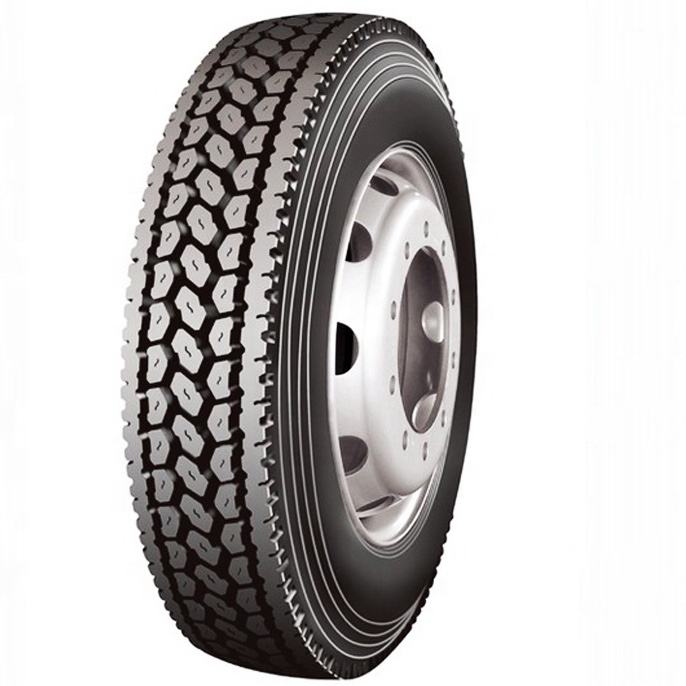
Inspection Logic Behind Modern Trailer Systems
Routine inspection of Trailer Parts is no longer treated as a simple visual check. In practical usage environments such as logistics corridors, construction routes, and intercity transport lines, inspection has become a structured process aimed at identifying early fatigue signs before they develop into operational risks.
Modern inspection routines typically focus on three layers: structural integrity, functional response, and wear progression. Each layer reveals different types of potential issues.
Key inspection focus areas include:
- Axle alignment and load distribution balance
- Wheel hub temperature and rotation smoothness
- Suspension response under uneven load conditions
- Brake responsiveness and wear symmetry
- Electrical signal stability for lighting systems
These checks are often repeated at different intervals depending on usage intensity and road conditions.
Common Inspection Framework for Trailer Components
The following table summarizes typical inspection points used in field operations for Trailer Parts:
| Component Category | Inspection Focus | Common Risk Indicator | Frequency Pattern |
| Axles | Alignment, bending, load stress | Uneven tire wear | Weekly to monthly |
| Wheels & Tires | Pressure, tread depth | Vibration during motion | Weekly |
| Suspension | Shock absorption response | Uneven height balance | Monthly |
| Brake System | Response delay, pad wear | Reduced stopping efficiency | Weekly |
| Electrical System | Signal continuity | Flickering or delay | Bi-weekly |
This structured approach helps ensure that minor issues are identified before they expand into larger system failures.
Maintenance Cycles and Operational Stability
Maintenance of Trailer Parts is closely linked with usage frequency and operating terrain. Vehicles that operate on uneven or high-load routes generally require more frequent adjustments compared to those used on flat and stable roads.
Core maintenance activities include:
- Lubrication of moving joints and axle bearings
- Replacement of worn brake pads and friction components
- Tightening of structural fasteners after long-distance travel
- Cleaning and corrosion prevention for exposed metal surfaces
- Electrical wiring reinforcement and connector protection
Even small delays in these maintenance actions can gradually affect stability and road safety performance.
Maintenance Frequency Comparison Table
| Component | Light Usage Cycle | Heavy Usage Cycle | Key Maintenance Action |
| Axles | 2–3 months | 3–4 weeks | Lubrication & alignment check |
| Tires | Monthly | Weekly | Pressure adjustment & rotation |
| Brakes | 1–2 months | 2–3 weeks | Pad replacement & calibration |
| Suspension | 3 months | 1 month | Shock absorber inspection |
| Electrical System | 3–6 months | 1–2 months | Wiring inspection |
This variation highlights how operational intensity directly influences the service rhythm of Trailer Parts systems.
Structural Wear and Long-Term Safety Patterns
One of the most important observations in long-term trailer operation is that wear does not occur evenly across components. Instead, stress concentrates on specific structural points such as axle joints, suspension links, and wheel hubs.
When these areas are not monitored closely, small deviations can gradually affect the entire vehicle balance. This is especially noticeable in long-distance transport where continuous vibration amplifies minor structural weaknesses.
Common wear patterns include:
- Gradual axle misalignment under repeated heavy load
- Uneven tire degradation due to suspension imbalance
- Brake heat accumulation affecting response consistency
- Electrical signal delay caused by connector fatigue
Understanding these patterns helps improve inspection accuracy and reduces unexpected downtime.
Environmental Influence on Component Performance
Road environment plays a significant role in how it behave over time. Flat highway conditions generally support stable performance, while mixed terrain introduces fluctuating stress levels that accelerate wear.
Environmental stress factors:
- Road surface roughness and impact frequency
- Temperature variation affecting metal expansion
- Moisture exposure leading to corrosion risk
- Dust and debris accumulation in moving joints
In coastal or humid regions, corrosion prevention becomes a particularly important part of routine maintenance planning.
Integrated Safety Systems in Trailer Design
Modern trailer systems are designed with interconnected safety structures rather than isolated parts. Axles, suspension systems, and braking mechanisms are expected to respond in coordination rather than independently.
This integration means that failure in one component can influence the performance of others. For example, uneven axle loading may increase brake wear, while suspension imbalance can affect tire lifespan.
Key integration points include:
- Axle-suspension load synchronization
- Brake-force distribution across wheel sets
- Electrical signal coordination with braking response
- Frame stability under dynamic load shifts
This system-level interaction makes inspection even more critical in ensuring consistent road safety.
Field Observations on Long-Term Reliability
Practical usage data shows that trailers with consistent inspection routines tend to maintain more stable performance over long distances. In contrast, irregular maintenance patterns often lead to cumulative issues that are more difficult to correct later.
Operators in transport-intensive environments often observe that early detection of minor wear significantly extends the service cycle of key components. This is particularly true for axle assemblies and suspension systems, where small alignment issues can escalate if ignored.
Technological Improvements in Component Processing
Advances in precision machining and assembly techniques have also influenced the durability of Trailer Parts. Improved CNC processing accuracy allows tighter tolerances in axle production, reducing imbalance during high-load operation.
In addition, standardized inspection processes applied during production help ensure that components maintain consistent performance characteristics before entering service environments.
Conclusion
Inspection and maintenance of Trailer Parts are deeply connected processes that directly influence road safety and operational longevity. From axle alignment to brake response and electrical stability, each component requires structured monitoring based on usage intensity and environmental exposure.
Field experience shows that consistent inspection routines combined with timely maintenance actions significantly reduce performance instability across different trailer systems. Within this operational framework, axle assemblies and related components developed under Fumin provide structural support that aligns with long-term durability expectations in varied transport conditions.
Send Inquiry


X
We use cookies to offer you a better browsing experience, analyze site traffic and personalize content. By using this site, you agree to our use of cookies.
Privacy Policy