 English
 Español
  Português
  русский
  Français
  日本語
日本語  Deutsch
  tiếng Việt
  Italiano
  Nederlands
  Polski
  한국어
한국어  Svenska
  magyar
  Malay
Malay  বাংলা ভাষার
  Dansk
Dansk  Suomi
Suomi  हिन्दी
  Pilipino
  Türkçe
  Gaeilge
  العربية
  Indonesia
  Norsk
Norsk  تمل
تمل  český
český  ελληνικά
  український
  Javanese
  فارسی
فارسی  தமிழ்
தமிழ்  తెలుగు
  नेपाली
  Burmese
  български
  ລາວ
ລາວ  Latine
  Қазақша
  Euskal
  Azərbaycan
  Slovenský jazyk
  Македонски
  Lietuvos
  Eesti Keel
  Română
  Slovenski
  मराठी
मराठी  Srpski језик
  ภาษาไทย


Why Are Casting Parts Still Widely Used In Modern Industrial Manufacturing?
Shandong Fumin Trailer Parts Manufacturing Co., Ltd. explores how Casting Parts produced through different casting methods continue to support industrial equipment development with flexible designs, reliable structures, and efficient production.
From transportation equipment to industrial machinery, many modern products rely on components that must combine strength, accuracy, and complex shapes. While advanced manufacturing technologies continue to develop, casting remains one of the most widely used production methods because it provides manufacturers with flexible solutions for creating parts with different materials, sizes, and structural requirements.
The reason casting technology has remained important for decades is not only because of its production efficiency. More importantly, it allows engineers to create components that would be difficult or expensive to produce through traditional machining methods.
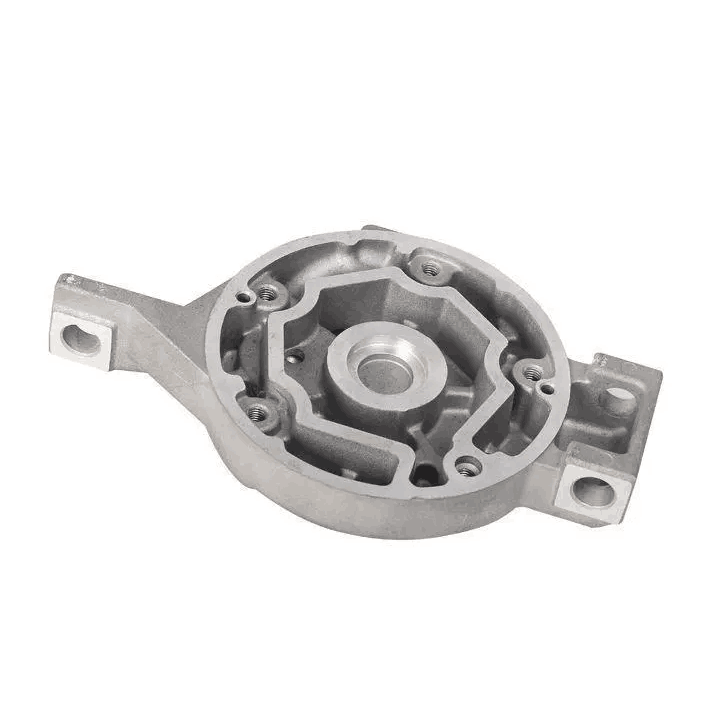
Understanding The Basic Principle Of Casting Technology
Casting is a manufacturing process that forms components by pouring liquid material into a prepared mold. After the material cools and solidifies, it takes the shape of the mold cavity and becomes the required component.
The basic process usually includes:
- Designing and preparing the mold
- Melting the selected material
- Pouring the liquid material into the mold
- Allowing the material to cool and solidify
- Removing, cleaning, and inspecting the finished component
This process allows manufacturers to produce both simple and highly complex shapes. Depending on the material and application requirements, different casting methods can be selected.
The flexibility of casting technology makes it suitable for industries that require different levels of strength, precision, and production volume.
Why Casting Remains Important In Industrial Applications
Modern industrial equipment often contains components with complicated structures. Producing Casting Parts through cutting or machining alone may require excessive material removal, longer processing times, and higher production costs.
Casting provides several practical advantages:
| Advantage | Industrial Value |
| Complex shape capability | Allows production of components with internal structures and special designs |
| Wide material selection | Supports steel, iron, aluminum, copper, and other materials |
| Production efficiency | Suitable for both small batches and large-scale production |
| Dimensional stability | Helps maintain consistent component shapes |
| Material utilization | Reduces unnecessary material waste compared with some machining methods |
For heavy equipment, transportation systems, and mechanical assemblies, these advantages make casting a practical manufacturing solution.
Different Types Of Casting Methods And Their Characteristics
Not all casting processes are the same. Different methods are developed to meet different application requirements.
Sand Casting: A Traditional And Flexible Solution
Sand casting is one of the most common casting methods. It uses a sand mold created around a pattern of the desired component shape.
After molten metal is poured into the mold and cooled, the sand mold is removed to reveal the finished part.
The main advantages of sand casting include:
- Suitable for large components
- Lower mold production cost
- Applicable to various metal materials
- Flexible for different designs
Because of its adaptability, sand casting is widely used for machinery bases, industrial equipment parts, and large structural components.
Investment Casting: Precision For Complex Components
Investment casting, also known as precision casting, is designed for applications requiring higher dimensional accuracy and smoother surfaces.
The process usually starts with creating a wax pattern. The pattern is coated with ceramic material to form a mold. After the wax is removed, molten metal is poured into the cavity.
Compared with traditional casting methods, investment casting can achieve:
- More detailed shapes
- Better surface quality
- Higher dimensional accuracy
- Reduced machining requirements
This method is commonly applied in aerospace components, automotive parts, medical equipment, and precision machinery.
Die Casting: High Efficiency For Mass Production
Die casting uses a metal mold where molten material is injected under pressure. This process provides excellent repeatability and surface finish.
It is often used for aluminum and zinc components requiring:
- Fast production cycles
- Consistent dimensions
- Smooth surface appearance
- Lightweight structures
Automotive housings, electronic enclosures, and industrial components often benefit from die casting technology.
How Material Selection Influences Casting Performance
The performance of a cast component depends heavily on the selected material. Different metals provide different combinations of strength, corrosion resistance, weight, and thermal performance.
Common casting materials include:
| Material | Typical Characteristics | Common Applications |
| Cast iron | Strong wear resistance and vibration absorption | Machinery parts, heavy equipment components |
| Steel casting | High strength and durability | Structural and load-bearing components |
| Aluminum alloy | Lightweight and good corrosion resistance | Automotive and transportation parts |
| Copper alloy | Good electrical and thermal conductivity | Electrical and industrial components |
Selecting the appropriate material helps ensure that the final component meets operational requirements.
The Role Of Casting Parts In Transportation And Heavy Equipment
Transportation equipment requires components that can withstand repeated stress, vibration, and changing loads. In these applications, component reliability directly affects equipment performance.
Casting technology allows engineers to create strong structural components while maintaining reasonable production efficiency.
For trailer systems, heavy machinery, and vehicle-related applications, Casting Parts are commonly used because they can provide:
- Strong load-bearing capability
- Stable mechanical performance
- Adaptable design options
- Long-term operational reliability
Shandong Fumin Trailer Parts Manufacturing Co., Ltd. applies casting-related production experience within the trailer component industry, combining design optimization, processing technology, and inspection procedures to support different industrial requirements.
Quality Control In The Casting Process
Although casting offers many advantages, production control is essential to ensure component reliability.
During manufacturing, several factors influence the final quality:
Mold Accuracy
The mold determines the basic shape and dimensions of the component. Accurate mold preparation helps reduce dimensional errors.
Material Control
The chemical composition of molten material affects strength, hardness, and durability. Proper material inspection helps maintain stable performance.
Cooling And Solidification Management
The cooling process influences internal structure and possible defects. Controlled solidification improves consistency.
Final Inspection
Finished components require inspection procedures such as:
- Dimension checking
- Surface inspection
- Structural evaluation
- Performance verification
A complete quality system helps ensure that components meet expected application standards.
How Modern Casting Technology Is Developing
The casting industry continues to improve through digital design, automation, and precision processing technologies.
Modern developments include:
- Computer-assisted mold design
- Automated production monitoring
- Improved material analysis
- More efficient energy management
- Higher precision machining after casting
These improvements allow casting processes to achieve better consistency while reducing production waste.
The future of Casting Parts is not only focused on producing larger quantities. It is increasingly focused on creating smarter, more efficient, and more environmentally responsible manufacturing solutions.
Choosing The Right Casting Method For Different Applications
Different industries have different requirements. A component used in a heavy-duty vehicle may require high strength, while a precision instrument component may prioritize accuracy and surface quality.
The selection of casting technology usually depends on:
| Consideration | Influence On Process Selection |
| Component size | Determines suitable mold and casting method |
| Material type | Affects melting and processing requirements |
| Accuracy requirements | Influences whether precision casting is needed |
| Production quantity | Determines economic efficiency |
| Working environment | Defines required strength and durability |
Understanding these factors helps engineers select the most suitable production approach.
Industry Outlook: Casting Continues To Support Manufacturing Innovation
Although newer manufacturing technologies continue to emerge, casting remains a fundamental production method in many industries.
Its ability to create complex structures, support different materials, and adapt to various production scales ensures its continued importance.
From transportation equipment and construction machinery to industrial systems, cast components continue to provide the foundation for reliable mechanical performance.
As manufacturing requirements become more diversified, casting technology will continue evolving through improved processes, better quality control, and smarter production methods.
Conclusion
Casting technology remains an important part of modern industrial development because it provides a practical balance between design flexibility, material performance, and production efficiency. Different casting methods allow industries to create components suited for specific operating conditions.
With experience in trailer components and industrial manufacturing processes, Shandong Fumin Trailer Parts Manufacturing Co., Ltd. continues to apply professional production methods to develop reliable Casting Parts solutions. Through continuous improvement in casting technology and quality management, these components will continue supporting the performance and durability needs of modern industrial equipment.
Send Inquiry


X
We use cookies to offer you a better browsing experience, analyze site traffic and personalize content. By using this site, you agree to our use of cookies.
Privacy Policy