 English
 Español
  Português
  русский
  Français
  日本語
日本語  Deutsch
  tiếng Việt
  Italiano
  Nederlands
  Polski
  한국어
한국어  Svenska
  magyar
  Malay
Malay  বাংলা ভাষার
  Dansk
Dansk  Suomi
Suomi  हिन्दी
  Pilipino
  Türkçe
  Gaeilge
  العربية
  Indonesia
  Norsk
Norsk  تمل
تمل  český
český  ελληνικά
  український
  Javanese
  فارسی
فارسی  தமிழ்
தமிழ்  తెలుగు
  नेपाली
  Burmese
  български
  ລາວ
ລາວ  Latine
  Қазақша
  Euskal
  Azərbaycan
  Slovenský jazyk
  Македонски
  Lietuvos
  Eesti Keel
  Română
  Slovenski
  मराठी
मराठी  Srpski језик
  ภาษาไทย


What Makes Sand Casting Part A Reliable Choice For Large Metal Components?
Fumin explores how Sand Casting Part technology continues to support large metal component production through flexible design possibilities, material adaptability, and practical manufacturing processes.
Large metal components often face unique manufacturing challenges. They need to maintain structural strength while also meeting requirements for complex shapes, reasonable production costs, and stable performance under demanding working conditions. Although modern manufacturing methods continue to develop, sand casting remains an important process for producing large and heavy-duty metal parts.
The reason is not simply that sand casting is an older technology. Its continued use comes from its ability to handle different component sizes, various metal materials, and complex geometries that can be difficult to achieve through other manufacturing methods.
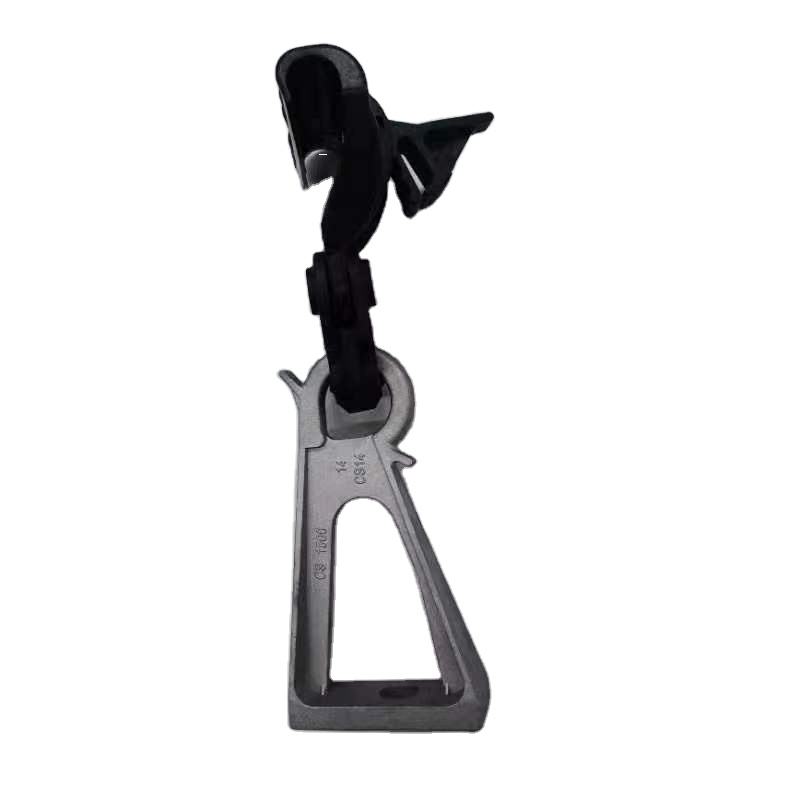
Understanding The Basic Principle Of Sand Casting
Sand casting is a manufacturing process that creates metal components by pouring molten metal into a sand-based mold. After the metal cools and solidifies, the sand mold is removed, leaving the required shape.
The process usually involves several key steps:
- Creating a pattern based on the component design
- Preparing the sand mold around the pattern
- Melting and pouring the selected metal material
- Allowing controlled cooling and solidification
- Removing, cleaning, and inspecting the finished component
Compared with some precision casting methods, sand casting provides greater flexibility when producing larger parts. The mold material is relatively adaptable, allowing engineers to create components with different dimensions and structural designs.
Why Large Components Often Require Sand Casting
Producing large metal components presents several challenges. Traditional machining methods may require removing significant amounts of material, increasing processing time and production complexity.
Sand casting provides advantages in situations where components require:
For industries such as transportation equipment, construction machinery, and industrial systems, these characteristics make Sand Casting Part a practical manufacturing approach.
| Manufacturing Challenge | How Sand Casting Helps |
|---|---|
| Large component size | Supports molds for oversized structures |
| Complex geometry | Allows flexible mold design |
| Material requirements | Works with various metal alloys |
| Production efficiency | Reduces excessive machining operations |
| Design modification | Enables easier pattern adjustments |
The Relationship Between Mold Design And Component Performance
The quality of a cast component begins with mold preparation. The sand mold determines the basic shape, dimensions, and surface characteristics of the final part.
Engineers consider several factors during mold design:
Pattern Accuracy
The pattern creates the foundation of the mold cavity. Accurate patterns help maintain consistent component dimensions after casting.
Sand Composition
The quality of molding sand influences strength, permeability, and surface results. Proper sand selection helps control how molten metal fills the cavity.
Cooling Control
The cooling process affects the internal structure of the metal. Controlled solidification helps reduce potential defects and improve mechanical performance.
These factors demonstrate that sand casting is not simply a process of pouring metal into sand. It involves careful control of materials, temperature, and design conditions.
Sand Casting Compared With Other Casting Methods
Different casting methods serve different manufacturing needs. Sand casting is often selected because of its flexibility, especially for larger components.
| Casting Method | Main Characteristics | Common Applications |
|---|---|---|
| Sand Casting | Flexible design, suitable for large parts | Machinery bases, heavy components |
| Investment Casting | High precision and detailed shapes | Aerospace, precision equipment |
| Die Casting | Fast production and smooth surfaces | Automotive housings, consumer products |
Investment casting may provide higher precision for small and complex parts, while die casting is effective for high-volume lightweight components. However, when size, strength, and adaptability are priorities, sand casting remains an important option.
Material Selection In Sand Casting Applications
One of the reasons sand casting continues to be widely used is its compatibility with different metal materials.
Common materials include:
| Material | Characteristics | Typical Uses |
|---|---|---|
| Cast iron | Good wear resistance and vibration absorption | Machinery components |
| Steel | High strength and durability | Heavy-duty structures |
| Aluminum alloys | Lightweight and corrosion resistant | Transportation parts |
| Copper alloys | Excellent thermal and electrical properties | Industrial components |
The selected material directly affects the final performance of the component. Engineers usually consider operating loads, environmental conditions, and service requirements before choosing the appropriate alloy.
Applications Of Sand Casting Part In Industrial Manufacturing
The demand for large and durable metal components exists across many industries. From industrial machinery to transportation equipment, casting technology provides manufacturing flexibility for different applications.
A Sand Casting Part can be found in areas such as:
Heavy Equipment
Construction and mining equipment often require large structural components capable of handling repeated mechanical stress.
Transportation Systems
Vehicle and trailer-related components need reliable strength and dimensional stability during long-term operation.
Industrial Machinery
Manufacturing equipment frequently uses cast components because they can combine complex designs with strong mechanical properties.
The wide range of applications shows why sand casting continues to maintain its position in industrial production.
Quality Control In Modern Sand Casting Production
Although sand casting offers many advantages, production control remains essential. The casting process involves multiple variables, and each stage can influence the final component quality.
Important inspection areas include:
| Inspection Area | Purpose |
|---|---|
| Dimensional inspection | Confirms design accuracy |
| Surface evaluation | Checks casting appearance and finish |
| Material testing | Verifies metal properties |
| Internal structure analysis | Identifies possible defects |
| Final assembly checking | Ensures application compatibility |
Modern casting facilities increasingly combine traditional processes with digital monitoring, precision machining, and advanced inspection equipment to improve consistency.
How Digital Technology Is Changing Sand Casting
While sand casting has a long history, the process continues to evolve with modern technology.
New developments include:
These improvements help reduce production risks and allow engineers to optimize designs before actual manufacturing begins.
The combination of traditional casting knowledge and modern technology is helping sand casting remain relevant in today's manufacturing environment.
Why Sand Casting Continues To Support Industrial Development
The importance of sand casting comes from its balance between flexibility and practicality. Some manufacturing methods focus on precision, while others focus on speed. Sand casting provides a middle ground where large, strong, and complex components can be produced efficiently.
For industries requiring customized structures or heavy-duty parts, the ability to adjust designs and select suitable materials remains valuable.
Shandong Fumin Trailer Parts Manufacturing Co., Ltd. applies casting experience and production management practices to support the development of industrial components. Through process control, engineering optimization, and inspection procedures, the company continues to participate in the production of reliable casting solutions.
Conclusion
Sand casting remains an important manufacturing method because it can produce large metal components with complex structures, strong performance, and flexible design options. Its ability to work with different materials and adapt to various industrial requirements keeps it relevant in modern production.
As manufacturing industries continue to seek durable and practical component solutions, Sand Casting Part technology will continue to play an important role. With experience in industrial component development, Shandong Fumin Trailer Parts Manufacturing Co., Ltd. continues applying casting expertise to meet the changing needs of modern manufacturing.
Send Inquiry


X
We use cookies to offer you a better browsing experience, analyze site traffic and personalize content. By using this site, you agree to our use of cookies.
Privacy Policy